Regular Eye Exams: 7 Reasons They’re Vital for Healthy Vision
Page Contents
- 1. Regular Eye Exams Help Detect Early Vision Problems
- 2. Eye Exams Can Reveal Hidden Health Issues
- 3. Regular Eye Exams Protect Children’s Learning and Development
- 4. Prevent Digital Eye Strain from Taking Over
- 5. Eye Exams Keep You Safe on the Road
- 6. Regular Eye Exams After 40 Can Prevent Age-Related Vision Loss
- 7. Peace of Mind and Clearer Vision
- FAQs
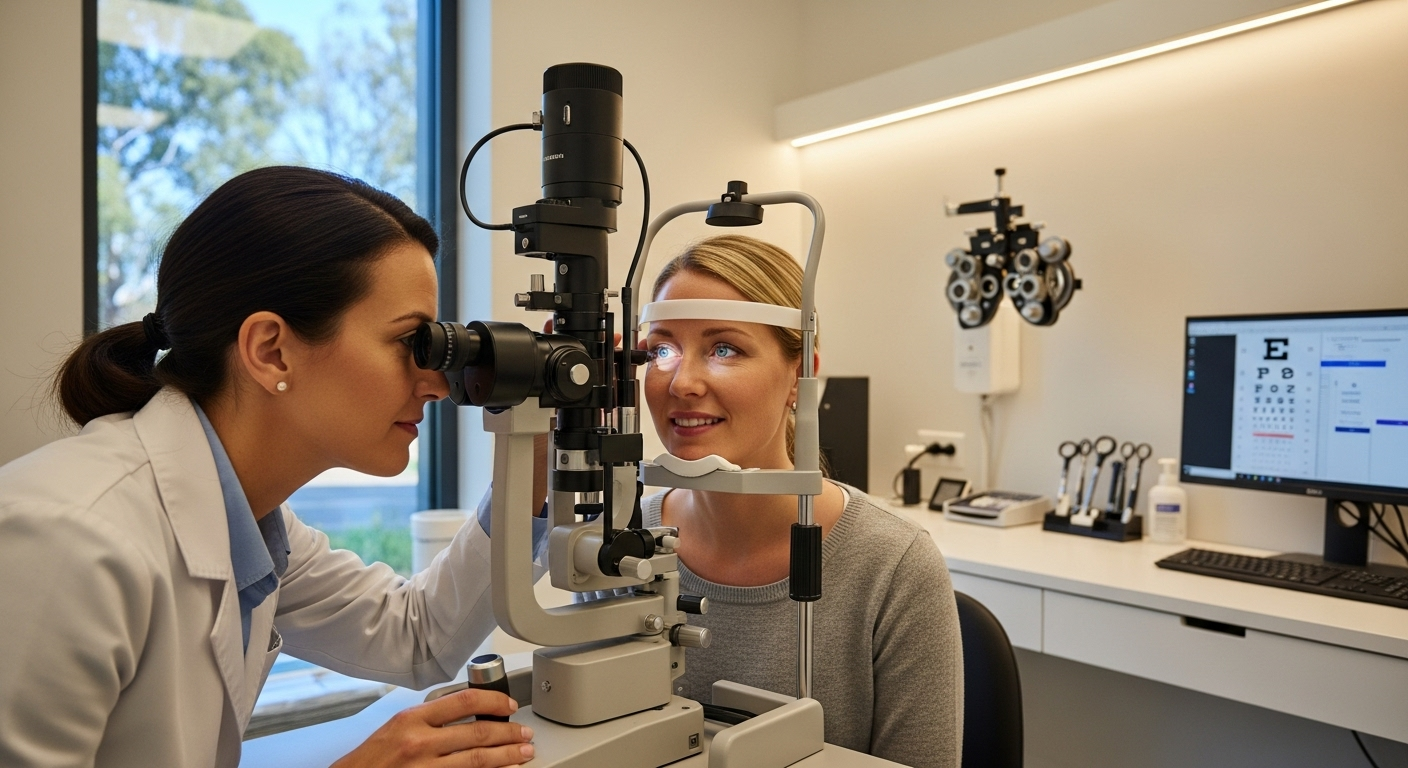
Regular Eye Exams are not just about getting your glasses checked — they’re your window into overall health. From detecting early signs of diabetes to preventing vision loss, eye exams can reveal far more than blurry vision. Yet, most people in India visit an eye doctor only when a problem arises.
In this post, you’ll learn why scheduling regular eye exams is one of the simplest yet most powerful habits for long-term eye and body health.
1. Regular Eye Exams Help Detect Early Vision Problems
Your eyes change subtly over time, and many conditions like glaucoma, cataract, or retinal damage often start without symptoms.
A comprehensive eye exam can detect these silent issues before they become serious.
- Glaucoma can cause irreversible blindness if untreated.
- Refractive errors (like myopia or hyperopia) worsen gradually without regular monitoring.
- Macular degeneration or diabetic retinopathy can be slowed with early diagnosis.
👉 Think of eye exams as preventive maintenance for your vision — just like regular health check-ups for your body.
American Academy of Ophthalmology recommends a complete eye exam every 1–2 years for adults.
2. Eye Exams Can Reveal Hidden Health Issues
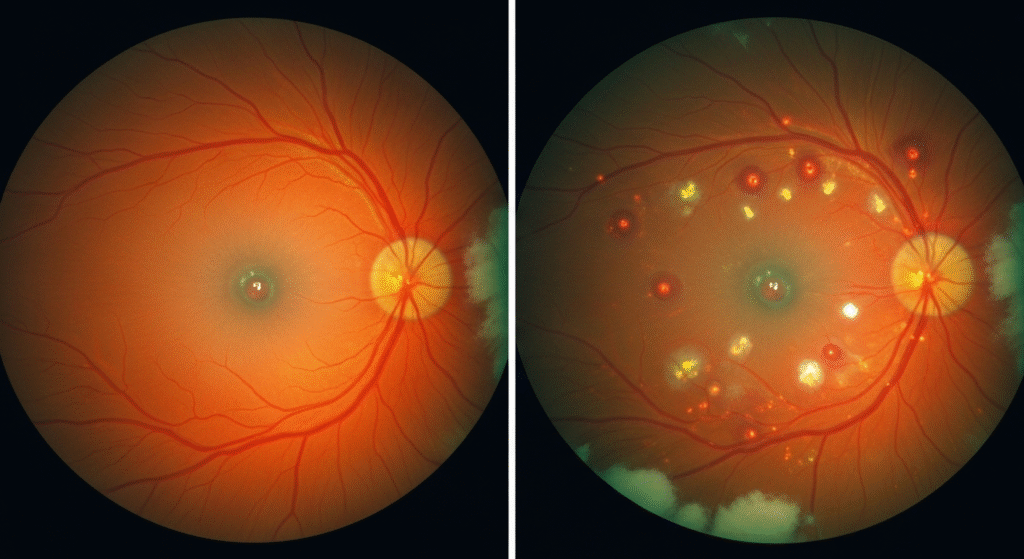
Your eyes are the only place where blood vessels and nerves can be seen directly without surgery. That’s why ophthalmologists often detect systemic conditions like:
- Diabetes: Early signs appear as retinal bleeding or swelling.
- High blood pressure: Causes visible changes in retinal vessels.
- Thyroid disorders: Lead to bulging eyes or vision changes.
In India, where diabetes and hypertension are on the rise, regular eye exams could literally save lives — not just eyesight.
3. Regular Eye Exams Protect Children’s Learning and Development
Children rely on their vision for 80% of what they learn.
Uncorrected vision problems can affect reading, attention, and confidence.
Pediatricians recommend:
- First eye exam at 6 months
- Another at 3 years
- And yearly once schooling begins
Regular eye exams ensure kids don’t fall behind due to something as simple as needing glasses.
4. Prevent Digital Eye Strain from Taking Over
In India’s digital world — from office screens to OTT binge sessions — digital eye strain is now common across all age groups.
Symptoms include:
- Dry eyes
- Blurry vision
- Headaches
- Neck or shoulder pain
Your optometrist can suggest the right blue-light blocking lenses, screen-time management, and eye exercises to reduce this strain.
5. Eye Exams Keep You Safe on the Road
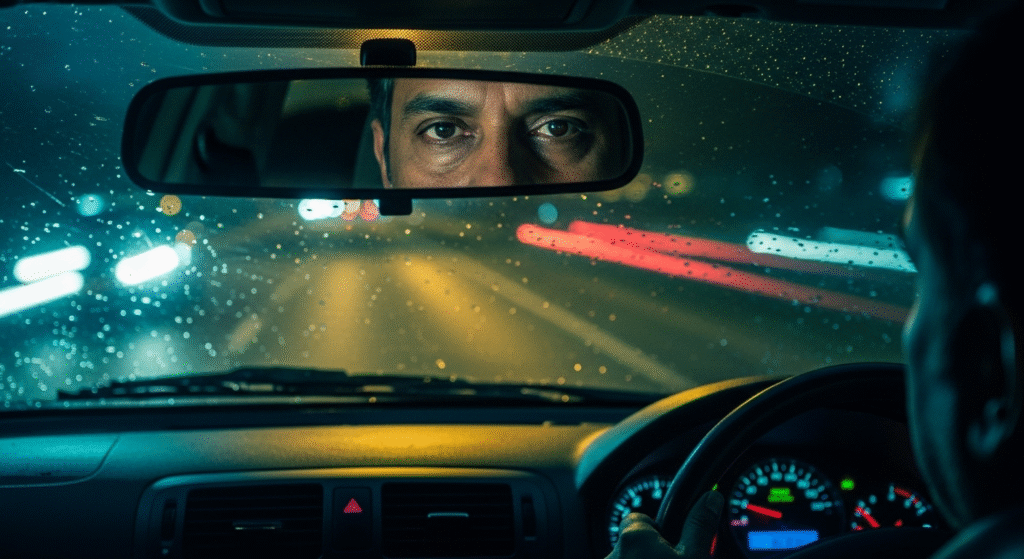
Poor night vision, glare sensitivity, or peripheral loss can make driving unsafe — for you and others.
Regular eye exams ensure your visual acuity, depth perception, and color vision are at their best.
If you drive frequently or are above 40, a yearly exam becomes even more crucial.
6. Regular Eye Exams After 40 Can Prevent Age-Related Vision Loss
After 40, your risk for conditions like presbyopia, glaucoma, and macular degeneration rises significantly.
Your eye specialist may also recommend tonometry (eye pressure test) and retinal scans to monitor for early damage.
👁️ Pro Tip: Combine your annual health check-up with an eye exam — it’s quick, painless, and invaluable.
7. Peace of Mind and Clearer Vision
There’s a calm confidence that comes from knowing your eyes are healthy.
Whether you’re reading fine print, working long hours, or enjoying nature’s colors — clear vision enhances quality of life.
Regular eye exams are a small habit that pays lifelong dividends in comfort, confidence, and clarity.
In short, regular eye exams are not optional — they’re essential. They protect your sight, reveal hidden diseases, and improve daily comfort in our screen-heavy lives.
So, the next time you schedule a health check-up, don’t forget your eyes.
👓 Book your eye exam today — your future self will thank you.
Also Read: Healthy Meal Prep Ideas for the Week: 7 Easy, Tasty Recipes
FAQs
1. How often should I have regular eye exams?
Adults should schedule an eye exam every 1–2 years. If you have diabetes, high blood pressure, or wear glasses, yearly exams are recommended.
2. Are regular eye exams necessary if I have perfect vision?
Yes! Many eye diseases show no symptoms in early stages — regular eye exams help detect them before permanent damage occurs.
3. Can regular eye exams detect diabetes?
Absolutely. Changes in your retina’s blood vessels are one of the earliest indicators of diabetes.
4. Do kids need regular eye exams too?
Yes, children should get eye exams even if they seem fine — vision problems often go unnoticed until they affect school performance.
5. What is included in a regular eye exam?
A typical exam includes visual acuity testing, refraction, eye pressure measurement, and retina evaluation using advanced imaging.