
Probiotics and Skin Health have become one of the most discussed topics in modern dermatology and nutrition. Scientists are discovering that the bacteria living in your gut may influence much more than digestion — including your skin’s appearance, aging process, and inflammation levels.
In recent years, researchers have explored the strong connection between the gut microbiome and skin health, often called the gut–skin axis. This connection suggests that balancing gut bacteria through probiotics could potentially slow skin aging, improve hydration, reduce wrinkles, and support overall skin vitality.
But can Probiotics and Skin Health truly work together to fight signs of aging? Let’s explore the science, benefits, and practical ways probiotics may help you maintain younger-looking skin.
What Are Probiotics?
Probiotics are live microorganisms that provide health benefits when consumed in adequate amounts. These beneficial bacteria help maintain a healthy balance in the gut microbiome.
Common probiotic strains include:
- Lactobacillus
- Bifidobacterium
- Saccharomyces boulardii
These microorganisms support digestion, strengthen immunity, and reduce harmful bacteria in the gut. However, new research shows that Probiotics and Skin Health are also closely connected.
According to the World Health Organization (WHO), probiotics are “live microorganisms that confer health benefits to the host when administered in adequate amounts.”
Source: https://www.who.int
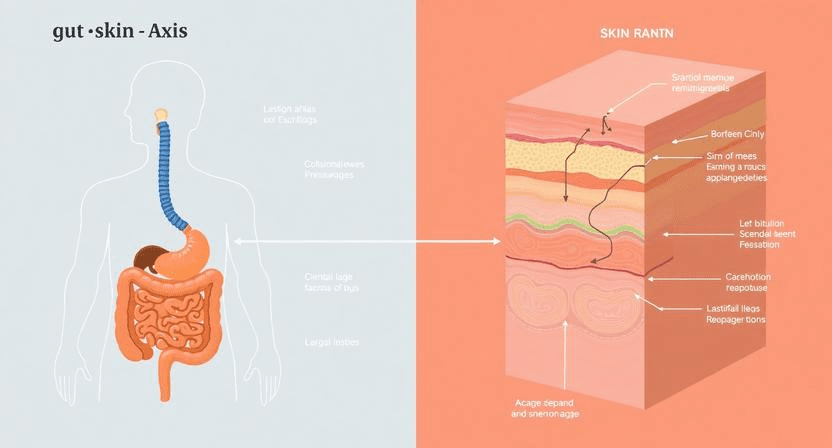
The Gut–Skin Axis: How Your Gut Affects Your Skin
One of the main reasons Probiotics and Skin Health are linked is the concept known as the gut–skin axis.
The gut microbiome communicates with the skin through:
- Immune system regulation
- Inflammatory responses
- Nutrient absorption
- Hormonal balance
When gut bacteria become imbalanced — a condition known as dysbiosis — inflammation levels increase. This inflammation can accelerate skin aging and lead to conditions such as:
- Acne
- Rosacea
- Psoriasis
- Eczema
- Premature wrinkles
Maintaining healthy gut bacteria through probiotics may help regulate inflammation and support healthier skin.
A study published in the National Institutes of Health (NIH) highlights the important role of probiotics in improving skin barrier function and reducing inflammation.
Source: https://www.nih.gov
How Probiotics Support Anti-Aging Skin Benefits
Research suggests that Probiotics and Skin Health may play an important role in slowing visible signs of aging. Below are some of the key mechanisms involved.
1. Reduce Inflammation
Chronic inflammation is one of the biggest contributors to premature skin aging.
Probiotics help regulate immune responses and reduce inflammatory markers in the body. Lower inflammation levels can help prevent:
- Collagen breakdown
- Skin redness
- Wrinkles
- Fine lines
This makes Probiotics and Skin Health an interesting strategy for maintaining youthful skin.
2. Improve Skin Barrier Function
The skin barrier protects against environmental damage, pollution, and harmful microbes.
Certain probiotic strains improve:
- Skin hydration
- Barrier strength
- Resistance to irritants
A stronger barrier helps reduce dryness and slows aging-related skin damage.
3. Boost Collagen Production
Collagen is essential for skin elasticity and firmness.
Some probiotics may stimulate collagen synthesis indirectly by reducing oxidative stress and improving nutrient absorption. This means Probiotics and Skin Health could contribute to firmer, smoother skin over time.
4. Protect Against UV Damage
Ultraviolet radiation accelerates skin aging by producing free radicals.
Probiotics may help neutralize oxidative stress, protecting the skin from UV-induced aging.
This protective role further strengthens the connection between Probiotics and Skin Health.
5. Improve Skin Hydration
Healthy skin requires proper hydration levels.
Certain probiotic strains help maintain moisture balance and improve the skin’s natural lipid barrier, which can reduce dryness and rough texture.

Best Probiotic Foods for Skin Health
Adding probiotic-rich foods to your diet is one of the easiest ways to support Probiotics and Skin Health naturally.
Some excellent probiotic foods include:
- Yogurt with live cultures
- Kefir
- Kimchi
- Sauerkraut
- Kombucha
- Miso
- Fermented pickles
Regular consumption of these foods can improve gut microbiome diversity, which positively impacts skin health.
Do Probiotic Supplements Help Skin Aging?
Probiotic supplements are another way to improve Probiotics and Skin Health, especially if dietary intake is insufficient.
Supplements typically contain strains such as:
- Lactobacillus rhamnosus
- Lactobacillus acidophilus
- Bifidobacterium longum
Potential benefits of probiotic supplements include:
- Reduced skin inflammation
- Improved skin elasticity
- Enhanced hydration
- Reduced acne and redness
However, results can vary depending on the strain, dosage, and individual gut microbiome.
Topical Probiotics in Skincare
Another emerging trend is probiotic-based skincare products.
Topical probiotics help balance the skin microbiome, which is the ecosystem of bacteria living on the skin’s surface.
Benefits of probiotic skincare may include:
- Reduced irritation
- Improved skin barrier
- Protection from harmful bacteria
- Reduced acne and redness
Many dermatologists believe that combining topical probiotics with dietary probiotics can enhance Probiotics and Skin Health benefits.
Lifestyle Habits That Enhance Probiotic Benefits
While probiotics are helpful, lifestyle habits also influence Probiotics and Skin Health.
To maximize results, consider the following habits:
- Eat fiber-rich foods (prebiotics)
- Reduce processed sugar intake
- Stay hydrated
- Sleep 7–8 hours daily
- Manage stress levels
- Use sunscreen regularly
These practices help maintain gut microbiome balance and protect skin from premature aging.
Are There Any Risks?
Probiotics are generally safe for most people. However, individuals with weakened immune systems should consult healthcare professionals before taking probiotic supplements.
Possible mild side effects may include:
- Temporary bloating
- Digestive discomfort
- Gas
Most symptoms resolve within a few days as the body adapts.
The growing body of research around Probiotics and Skin Health suggests that the gut microbiome plays a crucial role in maintaining youthful and healthy skin.
By supporting beneficial bacteria through probiotic foods, supplements, and microbiome-friendly skincare, it may be possible to reduce inflammation, improve skin hydration, and slow visible signs of aging.
While probiotics are not a miracle anti-aging solution, they can be a powerful addition to a holistic skincare and nutrition routine.
As science continues to explore the gut–skin connection, Probiotics and Skin Health will likely become an essential part of future dermatology and anti-aging strategies.
Also Read: Holy Basil and Heart Health: 9 Powerful Benefits for a Stronger and Healthier Heart
FAQs
1. What is the connection between probiotics and skin health?
Probiotics and Skin Health are connected through the gut–skin axis, where gut bacteria influence inflammation, immunity, and skin barrier function.
2. Can probiotics reduce wrinkles?
Probiotics may help reduce inflammation and oxidative stress, which can slow the formation of wrinkles and fine lines.
3. Which probiotic foods are best for skin health?
Foods like yogurt, kefir, kimchi, sauerkraut, and kombucha support Probiotics and Skin Health by improving gut microbiome balance.
4. Do probiotic supplements improve skin aging?
Certain probiotic strains may improve hydration, elasticity, and inflammation, supporting healthier and younger-looking skin.
5. Are probiotic skincare products effective?
Topical probiotics can balance the skin microbiome and improve skin barrier function, which supports Probiotics and Skin Health.