

Pain Relievers After Surgery play a crucial role in recovery and comfort. After any surgical procedure, pain and stiffness are common issues that can slow down healing and limit mobility. Taking medications correctly not only reduces discomfort but also helps you move more easily, preventing complications like joint stiffness and muscle tightness.
Many patients avoid taking medication because they worry about side effects or dependency. However, when used responsibly and according to medical advice, pain relievers help maintain mobility and speed up recovery. Understanding how and when to take them can significantly improve your healing process.
This guide explains how to take Pain Relievers After Surgery safely and effectively to prevent stiffness and support faster recovery.
Why Pain Relievers After Surgery Are Important for Recovery
Surgical procedures often cause inflammation, tissue damage, and temporary nerve irritation. These factors trigger pain signals and restrict movement.
If pain is not properly managed, patients may avoid movement, which leads to stiffness in muscles and joints.
Proper use of Pain Relievers After Surgery helps by:
- Reducing inflammation around the surgical site
- Allowing early and comfortable movement
- Preventing muscle stiffness and joint immobility
- Improving sleep and overall recovery
According to the World Health Organization, effective postoperative pain control improves mobility and reduces complications.
https://www.who.int/news-room/fact-sheets/detail/pain
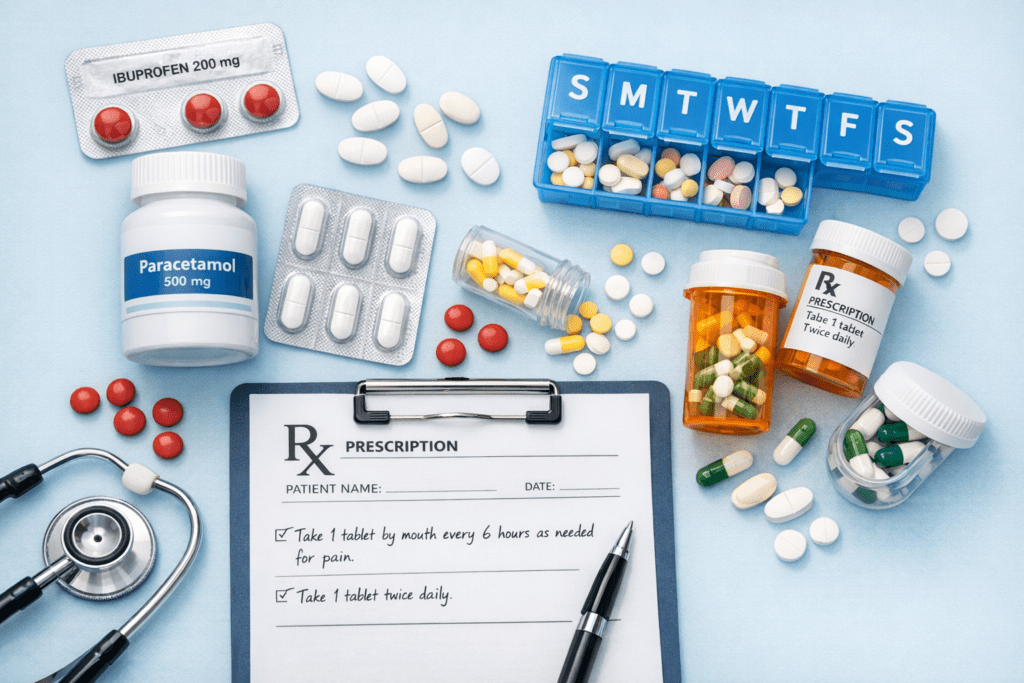
Types of Pain Relievers After Surgery
Doctors usually prescribe different types of medications depending on the type of surgery and pain severity.
1. Non-Steroidal Anti-Inflammatory Drugs (NSAIDs)
These reduce inflammation and mild to moderate pain.
Examples include:
- Ibuprofen
- Diclofenac
- Naproxen
They help prevent stiffness by reducing swelling in tissues.
More information:
https://medlineplus.gov/painrelievers.html
2. Acetaminophen (Paracetamol)
This medication helps control mild pain and is often combined with other treatments.
Benefits include:
- Lower risk of stomach irritation
- Effective for moderate postoperative pain
- Safe when taken at recommended doses
3. Opioid Pain Medications
For severe pain after major surgery, doctors may prescribe short-term opioids.
Examples include:
- Tramadol
- Codeine
- Oxycodone
These should only be taken under medical supervision.
How Pain Relievers After Surgery Help Prevent Stiffness
When pain is controlled, patients can move their body earlier and more comfortably. Movement keeps muscles flexible and joints lubricated.
Using Pain Relievers After Surgery properly can:
- Encourage early walking or physiotherapy
- Prevent muscle tightness
- Maintain joint range of motion
- Improve circulation around healing tissues
Early mobility is one of the most important steps to avoid long-term stiffness after surgery.

7 Proven Ways to Take Pain Relievers After Surgery Correctly
1. Follow Your Doctor’s Schedule
Pain medications work best when taken on time rather than waiting for severe pain.
Scheduled dosing helps maintain steady pain control and prevents stiffness.
2. Take Medication Before Physical Activity
Many surgeons recommend taking Pain Relievers After Surgery about 30–45 minutes before physiotherapy or walking.
This reduces discomfort during movement and improves flexibility.
3. Do Not Skip Doses Early in Recovery
Skipping doses in the first few days can cause pain spikes, making movement difficult.
Consistent medication helps maintain mobility.
4. Combine Medication with Gentle Movement
Medication alone is not enough. Combine Pain Relievers After Surgery with light activities such as:
- Short walks
- Stretching exercises
- Physiotherapy sessions
Movement prevents muscles from becoming stiff.
5. Stay Hydrated
Proper hydration helps reduce inflammation and improves circulation, supporting pain relief medications.
Drink enough water unless your doctor advises otherwise.
6. Eat Before Taking Certain Pain Medications
Some drugs like NSAIDs may irritate the stomach if taken on an empty stomach.
Eating light food helps prevent digestive discomfort.
7. Monitor Side Effects
Watch for symptoms such as:
- Nausea
- Stomach pain
- Dizziness
- Constipation
If side effects occur, contact your doctor for dosage adjustments.
Common Mistakes When Taking Pain Relievers After Surgery
Many patients unintentionally slow their recovery by misusing medications.
Common mistakes include:
- Waiting until pain becomes severe
- Stopping medication too early
- Taking higher doses without medical advice
- Avoiding movement because of fear of pain
Proper use of Pain Relievers After Surgery ensures smoother recovery and prevents complications.
Additional Tips to Prevent Stiffness After Surgery
Besides medication, several lifestyle habits support healing.
Helpful recovery tips include:
- Follow physiotherapy instructions
- Use ice packs to reduce swelling
- Maintain proper posture while sitting or lying down
- Perform gentle stretching recommended by your doctor
- Get enough sleep for tissue repair
Combining these strategies with Pain Relievers After Surgery can significantly reduce stiffness and improve mobility.
When to Contact Your Doctor
While pain after surgery is normal, certain symptoms require medical attention.
Seek help if you experience:
- Severe or worsening pain despite medication
- Fever or swelling near the surgical site
- Persistent nausea or vomiting
- Difficulty moving the operated area
Proper monitoring ensures safe use of Pain Relievers After Surgery and prevents complications.
Pain Relievers After Surgery are essential for controlling discomfort and preventing stiffness during recovery. When taken correctly, these medications allow patients to move comfortably, participate in physiotherapy, and regain strength faster.
The key to successful recovery is using Pain Relievers After Surgery responsibly while following your doctor’s instructions and staying physically active. By combining proper medication use with gentle movement and healthy habits, you can minimize stiffness and achieve a smoother, faster healing process.
Also Read: How to Introduce Dairy Safely to a Baby with Sensitivities: 7 Essential Tips for a Stress-Free Start
FAQs
1. How long should I take Pain Relievers After Surgery?
Most patients take Pain Relievers After Surgery for a few days to a few weeks, depending on the procedure and pain level. Always follow your doctor’s recommendation.
2. Can Pain Relievers After Surgery prevent stiffness?
Yes. Proper use of Pain Relievers After Surgery helps reduce pain and inflammation, allowing easier movement that prevents stiffness.
3. Is it safe to take Pain Relievers After Surgery daily?
Yes, if prescribed by your doctor. Taking medications as directed is safe and helps maintain steady pain control.
4. Should I take Pain Relievers After Surgery before physiotherapy?
Doctors often recommend taking Pain Relievers After Surgery about 30–45 minutes before physiotherapy to make exercises more comfortable.
5. What happens if I skip Pain Relievers After Surgery?
Skipping doses may cause pain spikes, which can limit movement and increase the risk of stiffness.