

OTC Meds for Scalp Tingling: 5 Soothing Remedies That Work Fast
Page Contents
OTC meds for scalp tingling can bring quick relief when you feel that odd, prickly sensation after something as harmless as a snowball splash or sudden cold exposure. This mild tingling often comes from a mix of nerve stimulation, cold shock, or even temporary blood vessel constriction — nothing serious, but definitely uncomfortable.
In this post, we’ll explore safe, easily available over-the-counter (OTC meds for scalp tingling), natural soothing remedies, and red flags to watch for — all tailored for Indian readers who might experience scalp tingling due to cold, dry air, or winter play.
Understanding Scalp Tingling After a Snowball Splash
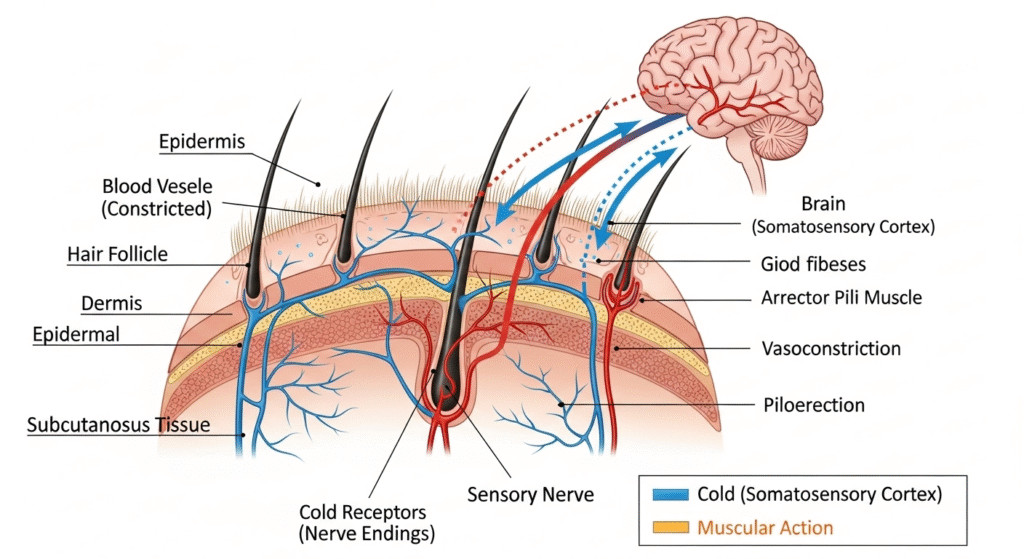
That sudden scalp tingling after cold exposure is usually a temporary nerve response. When ice or snow hits your scalp, the cold constricts blood vessels, reducing circulation for a few moments. As warmth returns, the vessels expand again, which can cause that pins-and-needles feeling.
Common causes include:
- Sudden cold temperature changes
- Minor nerve irritation
- Dry or sensitive scalp
- Tight hair accessories restricting blood flow
- Rarely, vitamin deficiencies or mild neuropathy
If the tingling fades within minutes, it’s generally harmless. But if it persists or worsens, you may want to rule out conditions like nerve inflammation, scalp dermatitis, or vitamin B12 deficiency.
Best OTC Meds for Scalp Tingling Relief
Here are top OTC options you can safely try for mild tingling or discomfort:
1. Paracetamol or Ibuprofen (Pain Relief)
If the tingling is followed by a mild headache or soreness, a basic OTC analgesic like Paracetamol (Crocin, Dolo 650) or Ibuprofen (Brufen, Advil) can ease discomfort. These help reduce any minor inflammation triggered by cold exposure.
🩺 Tip: Avoid long-term use without medical supervision.
2. Antihistamines (For Itchy, Irritated Scalp)
If your tingling is paired with itching or redness, an OTC antihistamine such as Cetirizine (Zyrtec, Cetzine) or Loratadine (Claritin) can calm histamine-related scalp irritation.
💡 Helpful for people with sensitive or allergy-prone scalps.
3. Calamine Lotion or Aloe Vera Gel (Topical Soothers)
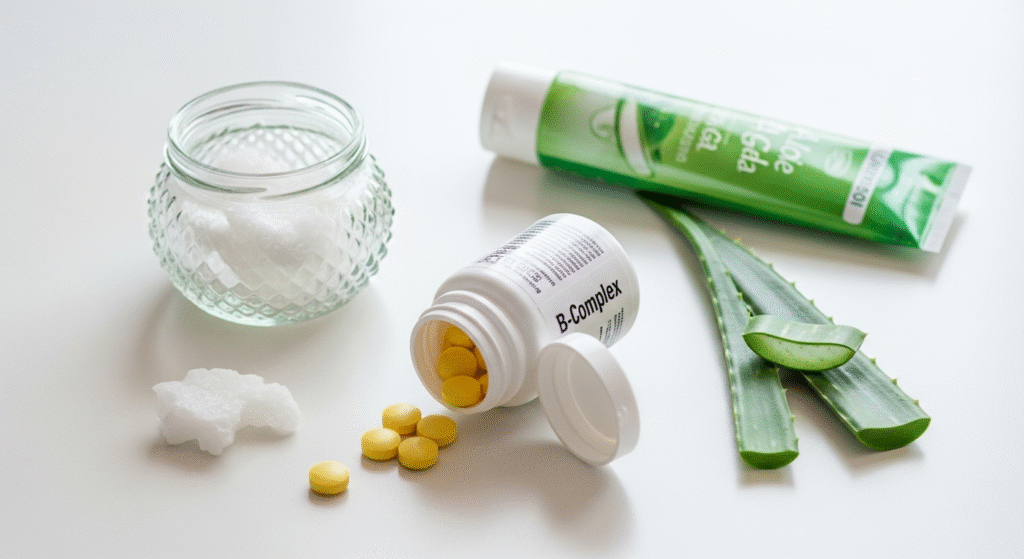
A cooling topical agent like Calamine Lotion or pure aloe vera gel (e.g., Patanjali, Plum) can calm skin inflammation and soothe minor nerve irritation. Apply a thin layer over the scalp and rinse after 15–20 minutes.
4. Vitamin B Complex (For Nerve Health)
If scalp tingling recurs often, try a B-complex supplement (e.g., Neurobion Forte). Vitamins B1, B6, and B12 support healthy nerve function and can prevent mild neuropathic sensations.
🧠 Always check with your pharmacist for the right dosage.
5. Coconut Oil Massage (Natural Remedy)
A warm coconut oil massage increases circulation and provides a protective barrier against dryness. Add a few drops of tea tree oil for antimicrobial benefits.
🌿 This is especially helpful if your scalp tingling happens in dry Indian winters.
When to See a Doctor
While OTC meds for scalp tingling can handle mild cases, seek professional advice if you notice:
- Tingling lasting more than 24 hours
- Burning or numbness
- Hair loss or rash
- Dizziness or neck pain
Persistent symptoms may signal an underlying nerve issue, vitamin deficiency, or skin condition needing medical evaluation.
For more medical background, check this reliable source from the Cleveland Clinic on paresthesia and nerve health.
OTC meds for scalp tingling can provide quick, gentle relief when your scalp reacts to a cold splash or sudden chill. Start with simple remedies like Calamine lotion, B vitamins, or coconut oil, and only use OTC painkillers or antihistamines if needed.
Stay consistent with scalp care, hydrate well, and protect your head during winter activities.
🧴 Takeaway: Most tingling is temporary — but your scalp deserves gentle care and warmth.
Also Read: Best Hair Treatments for Chemically Processed Hair: 7 Proven Fixes
FAQs
1. Can OTC meds for scalp tingling really stop scalp tingling after cold exposure?
Yes. OTC pain relievers, antihistamines, and topical soothers can reduce nerve sensitivity and inflammation.
2. How long does scalp tingling last after a snowball splash?
Usually 5–15 minutes. If it lasts longer or worsens, check for dryness or nerve irritation.
3. Is coconut oil enough for mild scalp tingling?
Often yes — warm oil boosts circulation and hydrates dry scalp.
4. Are vitamin supplements helpful for tingling?
Yes. B-complex vitamins support nerve health and may prevent recurrent tingling.
5. When should I see a doctor?
If tingling becomes frequent or spreads beyond the scalp, it’s best to get a medical evaluation.




Pingback: Home Remedy for Cold: 7 Powerful Natural Ways to Recover Fast - Real Talk Rx