
Menopause Symptoms: 7 Signs Every Woman Should Know Early
Page Contents
- What Are Menopause Symptoms?
- 7 Common Menopause Symptoms to Watch For
- How to Manage Menopause Symptoms Naturally
- FAQs
- 1. How long do menopause symptoms last?
- 2. What are the first menopause symptoms?
- 3. Can diet reduce menopause symptoms?
- 4. Are menopause symptoms the same for all women?
- 5. When should I see a doctor for menopause symptoms?
Menopause symptoms can feel confusing, emotional, and even frightening if you don’t know what’s happening to your body. This natural phase marks the end of menstrual cycles — but it’s not just about periods stopping. Hormonal shifts can ripple through everything — from mood and sleep to skin, metabolism, and even heart health.
If you’re in your 40s or 50s (or even earlier), understanding these changes helps you feel in control, not overwhelmed. Let’s break down the most common menopause symptoms, their causes, and how you can manage them naturally and effectively.
What Are Menopause Symptoms?
Menopause symptoms are physical and emotional changes caused by a decline in estrogen and progesterone — two key female hormones. These hormones influence almost every system in the body, so when they drop, the effects can be widespread.
On average, Indian women experience menopause between ages 46 and 52, but perimenopause (the transition phase) can start several years earlier.
Common causes behind worsening symptoms include:
- Stress and poor sleep
- Nutrient deficiencies (especially calcium, magnesium, and vitamin D)
- Sedentary lifestyle
- Excess caffeine, sugar, or alcohol
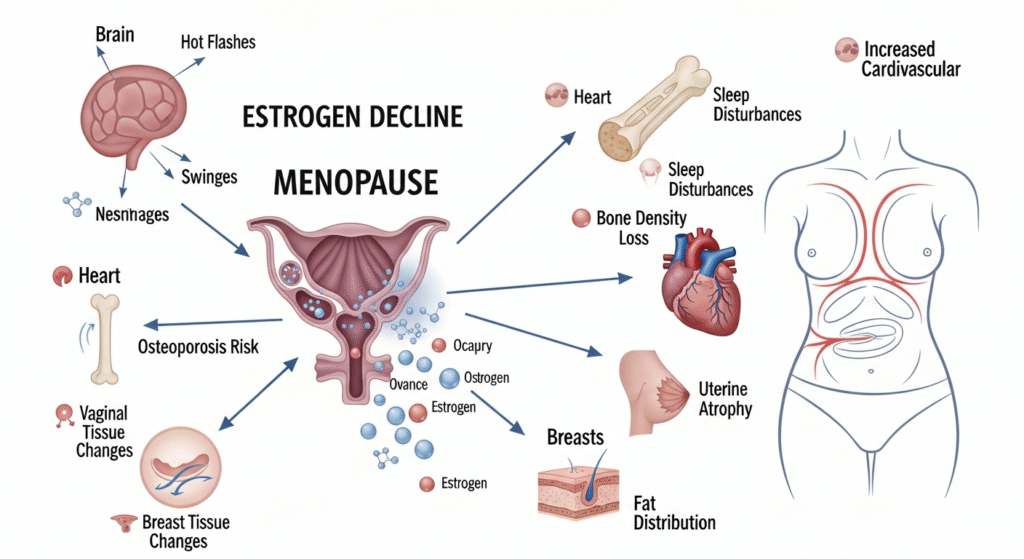
7 Common Menopause Symptoms to Watch For
1. Irregular Periods and Missed Cycles
The earliest sign of menopause is a change in menstrual patterns. Your cycles may become longer, shorter, or completely unpredictable. Eventually, they stop altogether — marking menopause officially after 12 months without a period.
Tip: Track your cycles in a health app. It helps your doctor understand where you are in the transition phase.
2. Hot Flashes and Night Sweats
One of the most recognized menopause symptoms, hot flashes cause sudden warmth, redness, and sweating — especially at night. They result from hormonal changes affecting body temperature regulation.
Try this:
- Drink cool water often
- Avoid spicy foods and alcohol
- Practice deep breathing before bed
(A good resource: Cleveland Clinic – Hot Flashes Overview)
3. Mood Swings and Irritability
Hormonal imbalances during menopause can mimic PMS — making you feel anxious, low, or easily frustrated. Lack of sleep and physical discomfort can make it worse.
Natural support:
- Include omega-3s (flaxseed, walnuts, fish oil)
- Try Ashwagandha — known in Ayurveda for balancing mood and stress
- Practice yoga or mindfulness meditation daily
4. Weight Gain and Slower Metabolism
Many women notice stubborn belly fat during menopause. Lower estrogen changes how your body stores fat, while reduced muscle mass slows metabolism.
What helps:
- Add strength training to your routine
- Eat more plant proteins like lentils, tofu, and peas
- Cut down refined carbs
5. Sleep Disturbances
Insomnia and restless nights are common menopause symptoms. Hormonal changes, night sweats, or anxiety can all disrupt your rest.
To improve sleep:
- Maintain a cool, dark bedroom
- Avoid screens before bed
- Take magnesium or chamomile tea before sleeping
6. Vaginal Dryness and Low Libido
Falling estrogen affects vaginal tissues, reducing lubrication and elasticity. This can lead to discomfort, itching, or pain during intimacy.
Remedies:
- Use natural lubricants or vitamin E oil
- Stay hydrated
- Discuss hormone therapy options with your gynecologist
7. Hair, Skin, and Bone Changes
Estrogen also supports collagen and bone density. Its decline can make your skin thinner, hair drier, and bones weaker.
Support your body:
- Eat calcium-rich foods (ragi, curd, almonds)
- Spend 15 minutes in sunlight daily for Vitamin D
- Consider collagen or biotin supplements
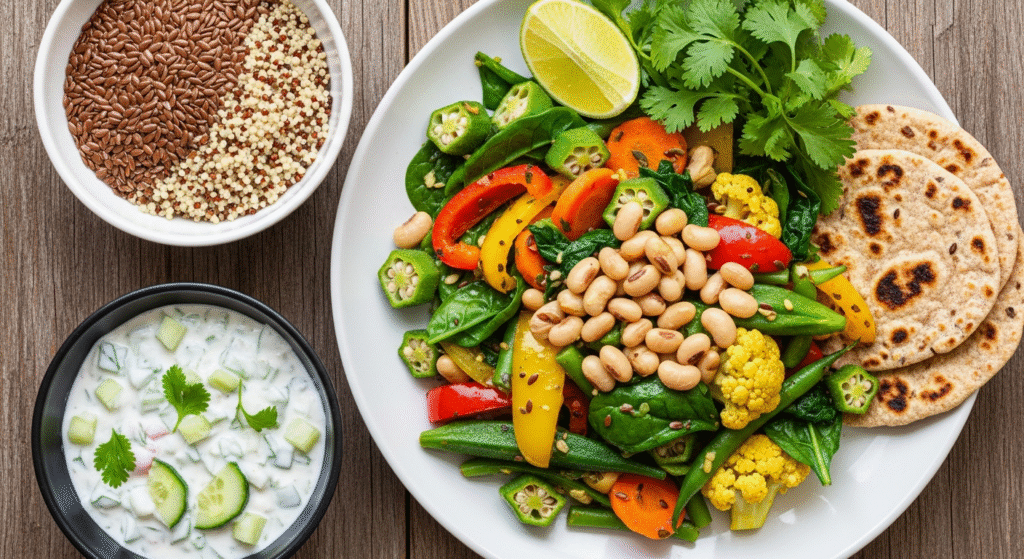
How to Manage Menopause Symptoms Naturally
While every woman’s journey is unique, you can manage symptoms through small, consistent habits:
✅ Balanced Diet: Focus on fiber, protein, and phytoestrogen-rich foods like soy, flaxseeds, and chickpeas.
✅ Stay Active: Walking, yoga, or swimming helps regulate hormones and mood.
✅ Hydrate: Water supports skin, metabolism, and hot flash control.
✅ Stress Management: Meditation or simple breathing techniques calm your mind.
Menopause symptoms are not the end of your vitality — they’re a new chapter of transformation. With the right nutrition, movement, and mindset, this phase can become a period of deep strength and self-discovery.
🌿 Listen to your body, nourish it well, and let menopause mark your power, not your pause.
Also Read: PCOD Diet Plan: Best 7 Day Meal Guide to Balance Hormones Naturally
FAQs
1. How long do menopause symptoms last?
Usually, 4–8 years — depending on your hormones, lifestyle, and genetics.
2. What are the first menopause symptoms?
Irregular periods, hot flashes, mood changes, and night sweats often appear first.
3. Can diet reduce menopause symptoms?
Yes. Foods rich in phytoestrogens (soy, flaxseed) and omega-3s can ease symptoms.
4. Are menopause symptoms the same for all women?
No. Some experience mild discomfort, while others face intense changes.
5. When should I see a doctor for menopause symptoms?
If you experience heavy bleeding, severe mood swings, or prolonged pain, consult a gynecologist.



Pingback: Online Counseling for Anxiety: 7 Proven Benefits That Truly Help - Real Talk Rx