
Emotional Wellness During Major Life Events: 7 Powerful Ways to Stay Balanced
Page Contents
Emotional wellness during major life events is often tested when change hits hard — be it a wedding, job loss, relocation, illness, or even a long-awaited achievement. These moments shake up routines, challenge identities, and stretch emotional limits. Yet, how we respond defines our growth and peace.
In this post, you’ll learn 7 evidence-based, practical ways to stay emotionally well during major life events — tools that help you stay grounded, resilient, and hopeful, no matter what life throws your way.
1. Understand That Change Triggers Emotional Turbulence
Every major life event — good or bad — disrupts your emotional equilibrium. Even joyous milestones can stir anxiety or grief for what’s left behind.
Recognizing that emotional ups and downs are normal responses to change helps you avoid guilt or confusion.
- Example: Many people feel unexpectedly low after getting married or moving cities — not because they’re unhappy, but because their brain is adjusting to new routines.
- Science says: The American Psychological Association notes that the brain resists uncertainty, which can trigger stress even during positive transitions.
👉 Tip: Label your feelings instead of suppressing them. Saying, “I’m feeling anxious about this change” can reduce stress intensity by up to 30%.

2. Build a Support Circle Before You Need It
During big transitions, isolation amplifies emotional strain.
Reach out before overwhelm hits. Talk to trusted friends, family, or even online support groups.
- Share your experience — it helps normalize emotions.
- Ask for practical help: a friend’s perspective, a relative’s company, or professional counseling.
- Platforms like YourDOST or 1to1Help offer confidential mental wellness support.
3. Practice Grounding Rituals
Grounding routines create stability amidst chaos.
Something as simple as morning tea, journaling, or a daily walk can help anchor your mind when everything else feels uncertain.
Try these rituals:
- 5-minute deep breathing before starting your day.
- Gratitude journaling — list three things you’re thankful for each night.
- Nature therapy: spend 20 minutes outdoors to reset your nervous system.
👉 Consistency is key. Your rituals act like emotional “seatbelts” — keeping you secure when life swerves.
4. Prioritize Physical Wellness to Boost Emotional Strength
Your emotional health mirrors your body’s state. During major transitions, people often neglect sleep, food, or exercise — which worsens stress.
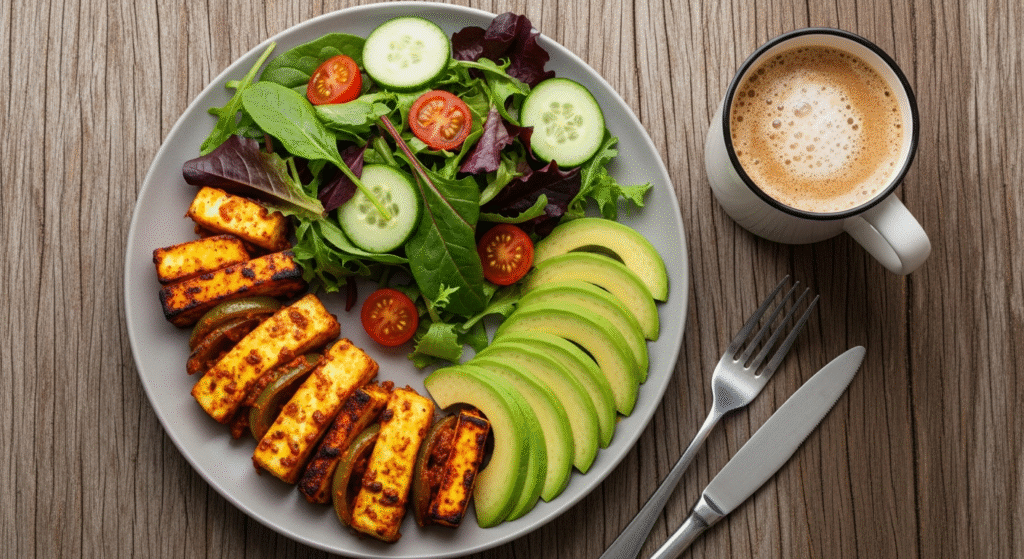
- Eat balanced, grounding meals: dal, rice, leafy greens, and nuts.
- Get 7–8 hours of sleep, even if routines shift.
- Move daily — walk, dance, or stretch.
Research from Harvard Health shows that physical activity can reduce anxiety by 20–30% and improve emotional regulation.
For holistic care, explore natural adaptogens like Ashwagandha, which supports stress balanc
5. Set Small, Realistic Goals
When everything feels new, big goals can overwhelm. Instead:
- Break them into micro-steps.
- Celebrate progress, not perfection.
- Keep expectations flexible.
Example: If you’ve moved to a new city, don’t aim to feel “at home” in a week. Instead, focus on finding your favorite café or walking route first.
Each small win reinforces your emotional wellness during major life events and builds resilience.

6. Reframe Change as Growth
Shift your mindset from “This is happening to me” to “This is shaping me.”
Every event — even painful ones — carries lessons in strength, empathy, and adaptability.
- Journal on “What is this change teaching me?”
- Keep reminders of past challenges you’ve overcome.
- Seek meaning — not just comfort — in transitions.
A study in Frontiers in Psychology shows that meaning-focused coping leads to greater emotional stability after major life events.
That’s emotional wellness in action — not about avoiding pain, but transforming it into wisdom.
7. Seek Professional Guidance When Needed
If emotional overwhelm lingers for weeks or disrupts daily life — don’t hesitate to seek help.
Therapists, psychologists, or even holistic coaches can help you process emotions safely.
In India, online therapy platforms like BetterLYF or MindTribe offer accessible, affordable sessions.
Remember, seeking help is not weakness — it’s self-leadership.
Major life events will always bring uncertainty — but emotional wellness during major life events ensures you navigate them with grace, balance, and self-compassion.
By staying grounded, connected, and mindful, you transform chaos into clarity.
✨ Take one step today — start a grounding ritual, call a friend, or simply breathe — and let your inner calm grow with every challenge.
Also Read: Intellectual Conversations: 7 Ways to Connect with Your Partner Better
FAQs
1. What does emotional wellness during major life events mean?
It means maintaining emotional balance, self-awareness, and resilience during big transitions — whether positive or stressful.
2. How can I stay calm during stressful changes?
Practice grounding rituals, deep breathing, and journaling. Prioritize rest and stay connected with loved ones.
3. Can emotional wellness affect physical health?
Absolutely. Chronic stress can impact immunity, digestion, and sleep — emotional wellness helps protect all three.
4. What are quick daily habits for emotional wellness?
Morning gratitude, mindful tea time, evening walks, and limiting phone use after sunset.
5. When should I seek professional help?
If sadness, anxiety, or irritability persist beyond two weeks or affect work, sleep, or relationships.