Ayurvedic Medicine for Diabetes: 7 Powerful Herbs That Help
Page Contents
Ayurvedic medicine for diabetes offers time-tested solutions that help balance blood sugar naturally without harsh side effects. In India, where both Ayurveda and diabetes are deeply intertwined with lifestyle, these ancient remedies are regaining trust among people seeking holistic healing.
This post explores scientifically backed Ayurvedic herbs, diet tips, and lifestyle principles that can truly make a difference — safely and effectively.
How Ayurveda Understands Diabetes (Madhumeha)
In Ayurveda, diabetes is called Madhumeha, meaning “sweet urine disease.” It’s seen as a metabolic disorder caused by an imbalance of Vata and Kapha doshas, leading to impaired digestion and excess sugar in the blood and urine.
Ayurveda doesn’t just focus on lowering blood sugar — it aims to restore balance in the whole body. The goal is to rejuvenate the pancreas, improve insulin function, and stabilize metabolism naturally.
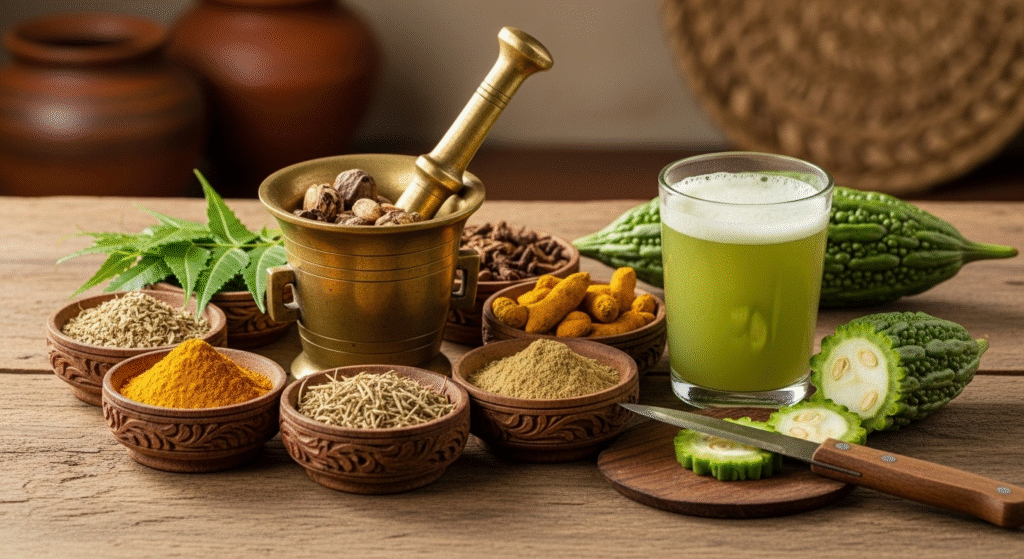
Top Ayurvedic Medicines for Diabetes
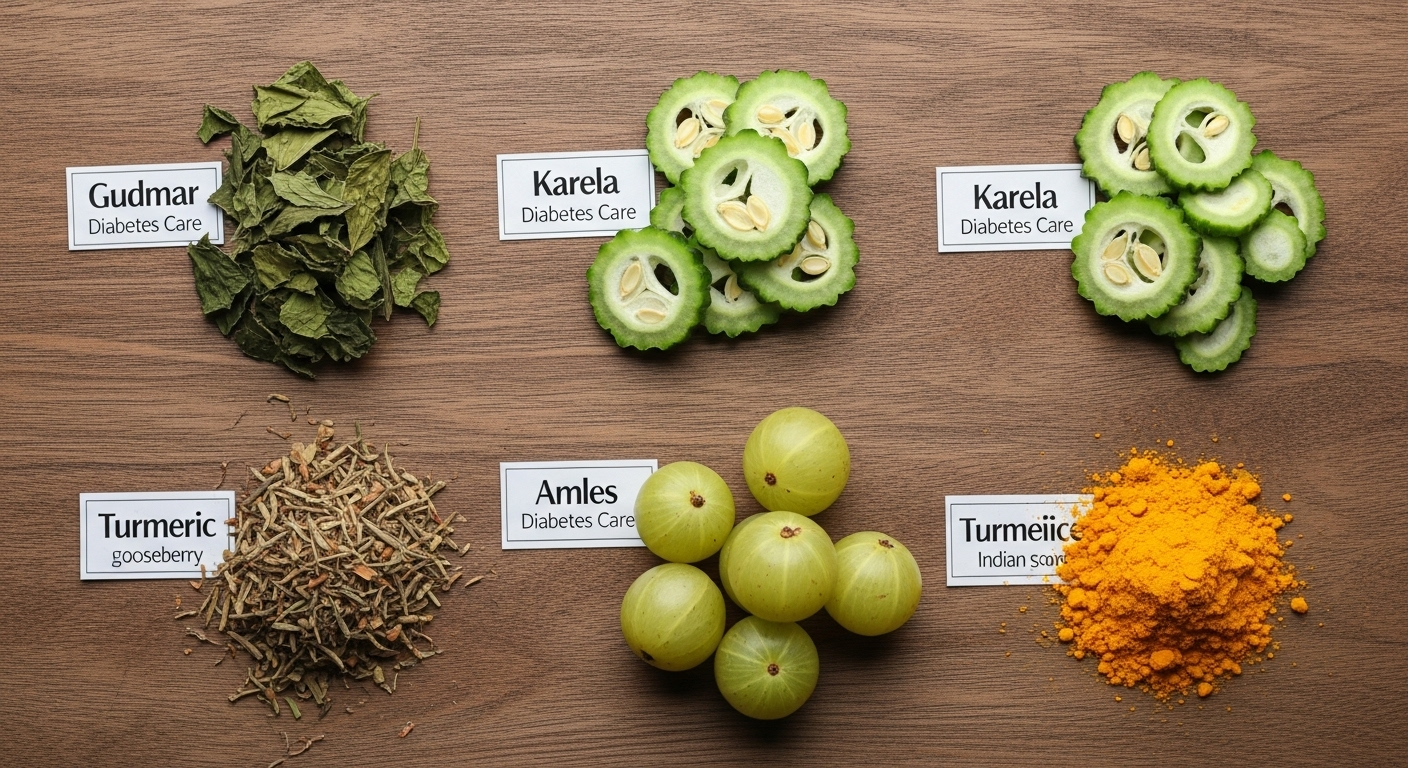
1. Gudmar (Gymnema Sylvestre): The Sugar Destroyer
Gudmar literally translates to “sugar killer.” It helps reduce sugar cravings and enhances insulin secretion. Studies show Gymnema can regenerate pancreatic cells and improve glucose tolerance.
You can take Gudmar as a capsule or in powder form — 250–500 mg twice a day after meals.
Research on Gymnema for Diabetes – NCBI
2. Bitter Gourd (Karela)
Karela juice is one of the most well-known Ayurvedic medicines for diabetes. Its compounds — charantin and polypeptide-p — act like natural insulin, helping lower blood glucose levels.
Drink 50–100 ml fresh karela juice on an empty stomach 4–5 times a week.
Tip: Mix karela with amla (Indian gooseberry) juice to enhance its antioxidant effects.
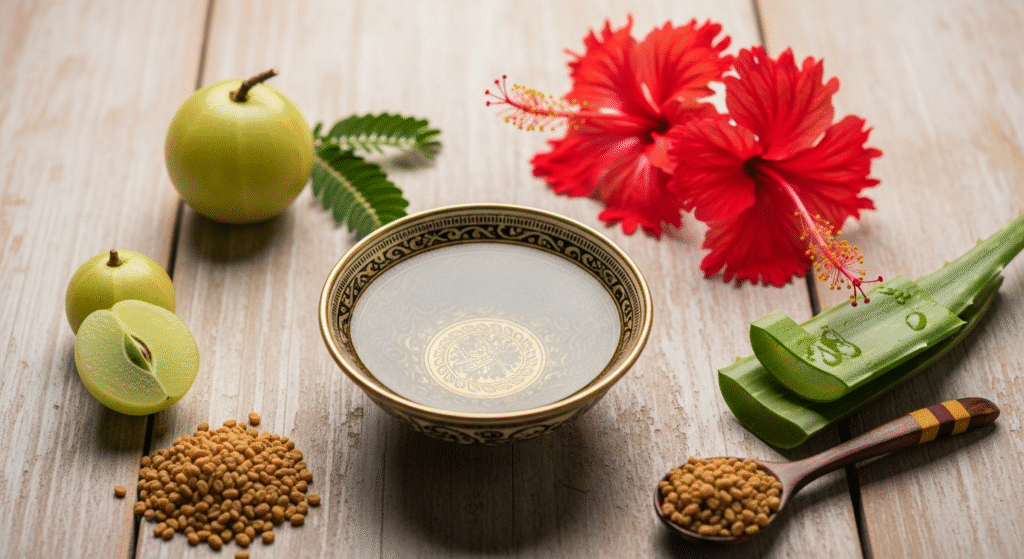
3. Fenugreek (Methi Seeds)
Rich in soluble fiber, methi slows carbohydrate absorption and improves insulin sensitivity.
Soak 1 teaspoon of methi seeds overnight and drink the water (and seeds) in the morning for a natural glucose-regulating effect.
4. Amla (Indian Gooseberry)
Amla rejuvenates the pancreas and is rich in vitamin C — an antioxidant that protects against oxidative stress, a key trigger in diabetes.
Take 10–20 ml of fresh amla juice daily or 1 teaspoon of amla powder mixed with warm water.
5. Vijaysar (Indian Kino Tree)
Traditionally used as an Ayurvedic treatment for diabetes, Vijaysar wood is soaked overnight in water and consumed in the morning.
It helps lower fasting and postprandial glucose while improving lipid profiles.
You can find Vijaysar tumblers or wooden glasses easily online — just fill them with water overnight and drink the infused water next morning.
6. Neem and Tulsi Blend
Both herbs purify the blood and boost liver function. Neem improves glucose metabolism, while Tulsi (Holy Basil) reduces oxidative stress.
Make a morning decoction of 5 tulsi leaves + 3 neem leaves + 1 glass of warm water and drink it daily.
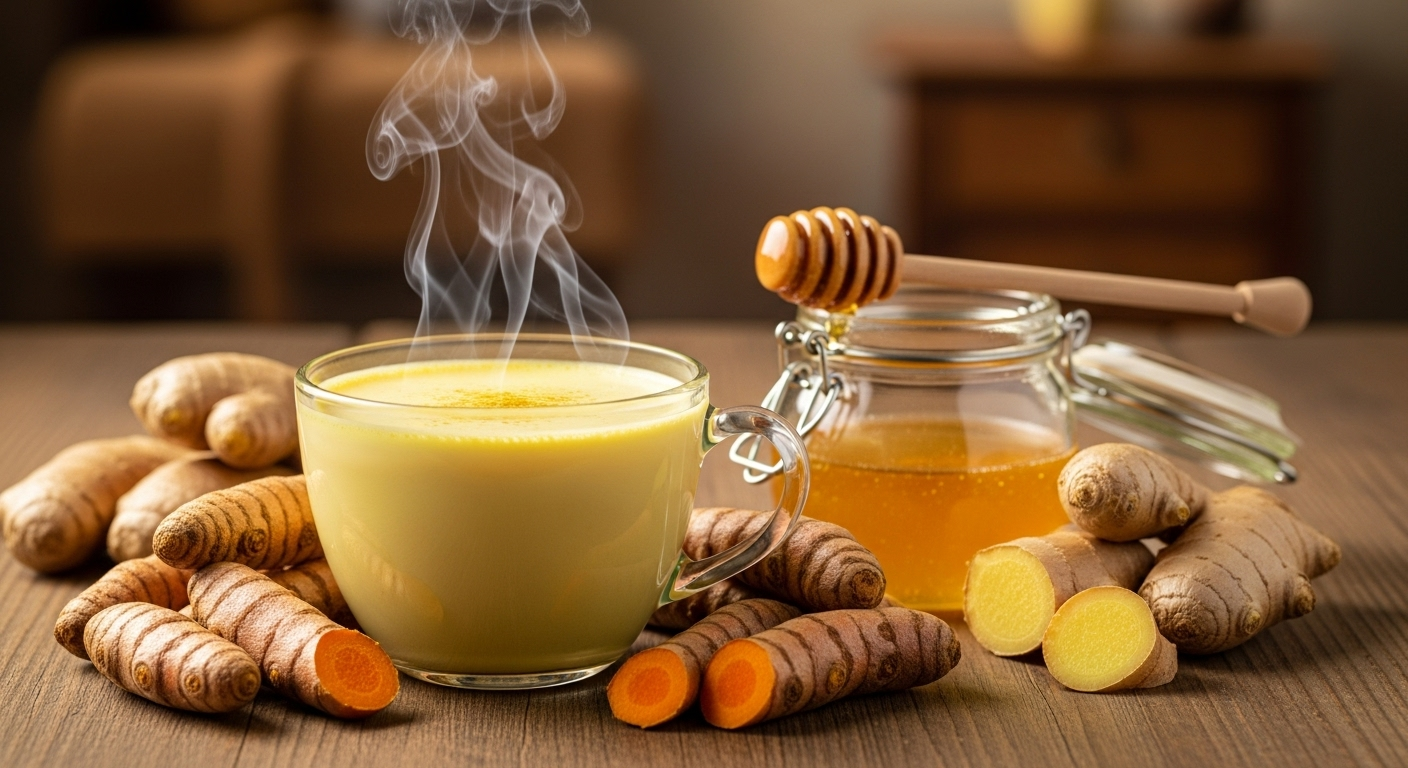
7. Turmeric (Haldi) and Cinnamon
Curcumin in turmeric improves insulin sensitivity and reduces inflammation, while cinnamon helps cells absorb glucose efficiently.
Mix ½ teaspoon haldi + ¼ teaspoon cinnamon in warm milk before bedtime for a soothing, blood-sugar-balancing tonic.
Lifestyle Tips in Ayurveda for Diabetes Control
Ayurvedic medicine for diabetes emphasizes not only herbs but also lifestyle — or Dinacharya.
Here are essential tips:
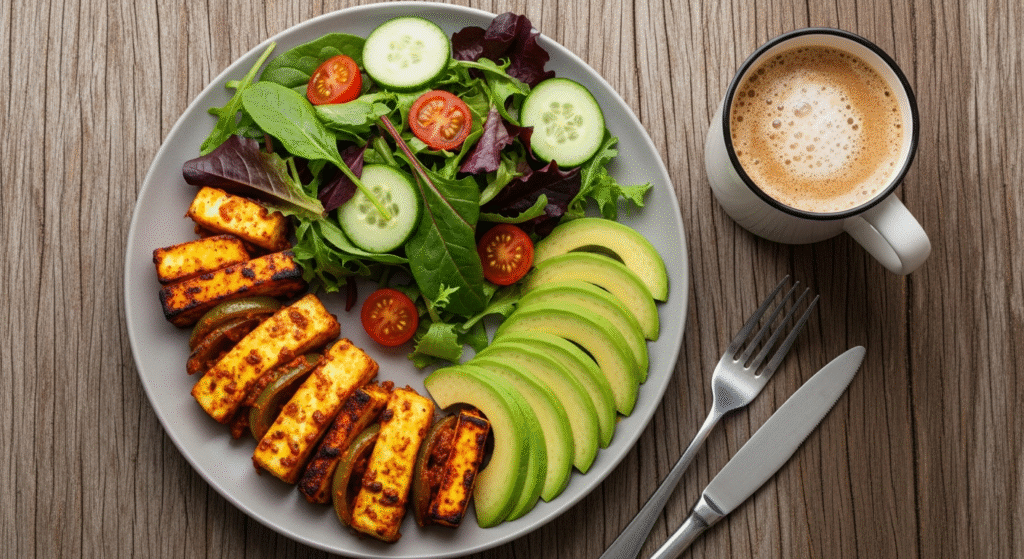
- Eat freshly cooked, warm meals — avoid leftover or processed foods.
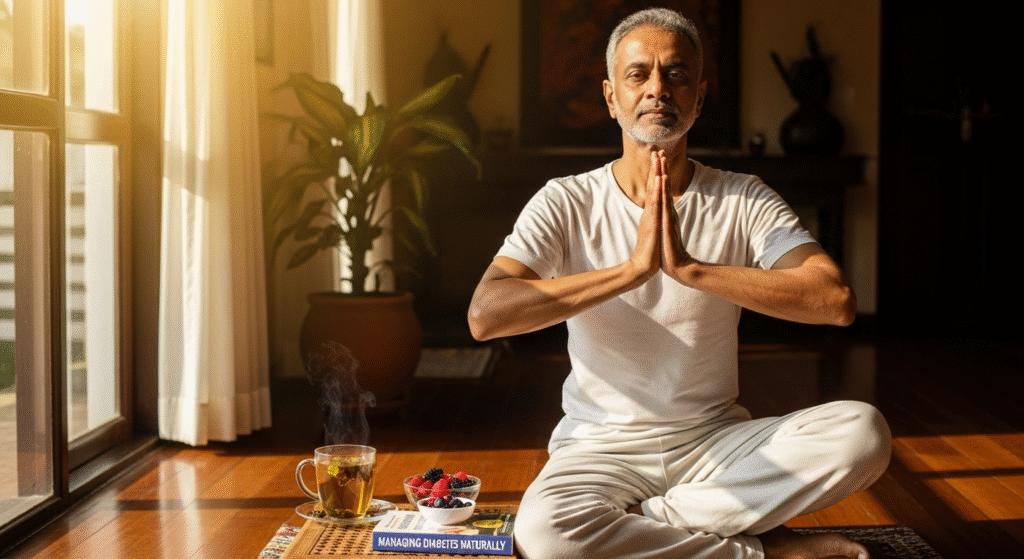
- Exercise daily — walking, yoga, or pranayama help balance doshas and improve insulin use.
- Sleep early and wake early. Poor sleep increases blood sugar and Kapha imbalance.
- Avoid excess sweets and heavy foods, especially at night.
- Try yoga asanas like Surya Namaskar, Dhanurasana, and Paschimottanasana for better glucose control.
Scientific Backing: Does Ayurvedic Medicine for Diabetes Work?
Recent research supports many Ayurvedic herbs for diabetes. For example:
- A 2017 study found Gudmar and Karela improved blood sugar and lipid profiles in Type-2 diabetics.
- Fenugreek showed benefits in both fasting and post-meal glucose.
- Amla reduced oxidative stress markers in diabetic patients.
While these are not replacements for prescribed medicine, they can be used as complementary therapy under professional guidance.
Possible Precautions
- Always consult a qualified Ayurvedic practitioner before starting herbs.
- Monitor blood sugar regularly, especially if you’re already on medication.
- Avoid self-medicating or using multiple herbs without advice.
Ayurvedic medicine for diabetes helps you heal from within, not just manage numbers. By combining herbs like Gudmar, Karela, and Amla with mindful living, you can naturally stabilize your sugar levels and feel more energetic every day.
Remember — Ayurveda works slowly but steadily, targeting the root cause and bringing the body back to balance.
🌿 Take your first step toward a more natural, empowered life — one Ayurvedic sip at a time.
Also Read: Ayurvedic Perspectives on Overthinking: 5 Ways to Calm the Mind
FAQs
1. Which is the best Ayurvedic medicine for diabetes?
Gudmar, Karela, and Vijaysar are considered the best herbs for regulating blood sugar naturally.
2. Can Ayurvedic medicine for diabetes cure diabetes completely?
Ayurveda doesn’t “cure” diabetes but helps control it holistically by improving insulin function and metabolism.
3. Is it safe to take Ayurvedic and allopathic medicines together?
Yes, but always under supervision. Herbs may enhance the effect of diabetes medicines, so your dose may need adjustment.
4. How long does Ayurvedic treatment for diabetes take?
Most people notice changes in 4–8 weeks, depending on diet, discipline, and constitution.
5. Can Ayurveda prevent diabetes?
Yes. Ayurveda emphasizes balanced eating, daily activity, and herbs that support pancreas health — helping prevent diabetes in high-risk individuals.