
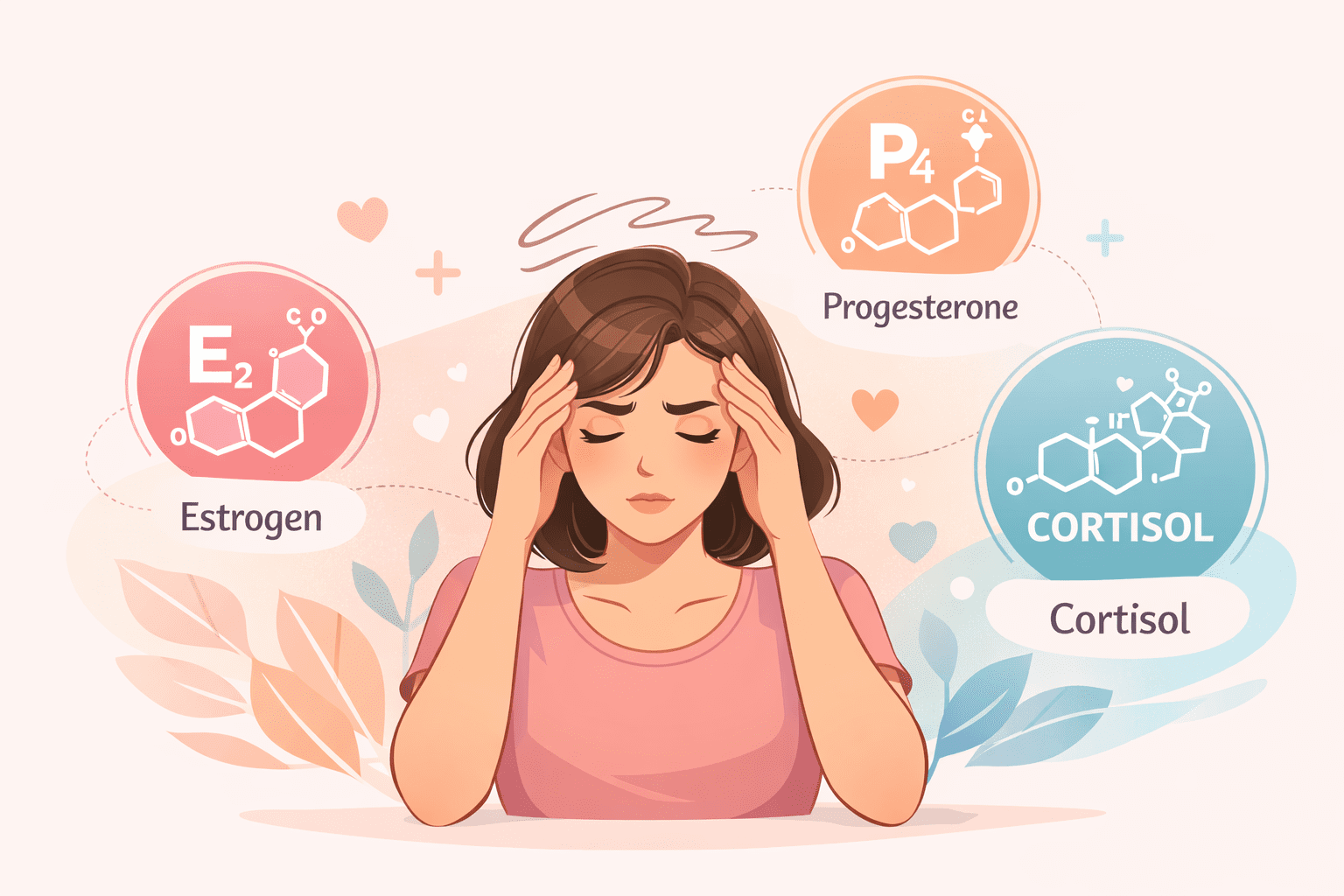
Stress and Women’s Hormones are deeply connected, and this relationship plays a significant role in overall female health. Modern life brings many stress triggers—career pressure, family responsibilities, financial concerns, and lifestyle changes. When stress becomes chronic, it can disrupt hormonal balance and affect physical, emotional, and reproductive health.
Hormones regulate essential processes in a woman’s body including menstruation, mood, metabolism, fertility, and sleep. When stress levels increase, the body releases stress hormones like cortisol that interfere with normal hormonal functioning.
Understanding the relationship between Stress and Women’s Hormones can help women take better control of their health and prevent long-term hormonal problems.
According to the American Psychological Association, chronic stress significantly impacts hormone regulation and reproductive health.
https://www.apa.org
In this article, we’ll explore how stress affects hormones, symptoms to watch for, and practical ways to restore hormonal balance.
How Stress and Womens Hormones Are Connected
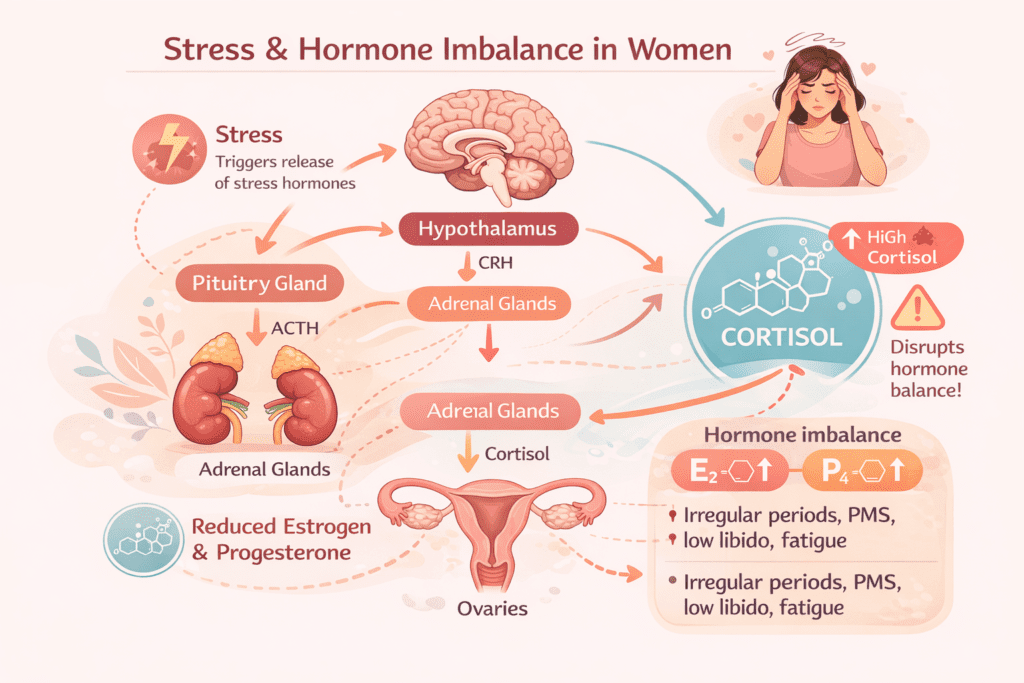
The body reacts to stress by activating the hypothalamic-pituitary-adrenal (HPA) axis, which controls the release of cortisol. Cortisol is known as the primary stress hormone.
When cortisol levels remain high for long periods, it interferes with other hormones including:
- Estrogen
- Progesterone
- Insulin
- Thyroid hormones
This is why Stress and Women’s Hormones imbalance can lead to multiple health issues ranging from irregular periods to mood swings.
Key physiological effects include:
- Disrupted menstrual cycle
- Reduced fertility
- Increased weight gain
- Sleep disturbances
- Anxiety and depression
Even moderate chronic stress can gradually affect hormonal balance.
Major Hormones Affected by Stress
1. Cortisol
Cortisol increases during stressful situations to help the body respond quickly. However, persistent high cortisol levels can disrupt other hormones.
Effects include:
- Increased belly fat
- Reduced immunity
- Sleep problems
- Hormonal imbalance
2. Estrogen
Estrogen regulates the menstrual cycle and reproductive health.
When Stress and Women’s Hormones become imbalanced:
- Estrogen levels may fluctuate
- Periods may become irregular
- PMS symptoms worsen
Stress can also trigger estrogen dominance, which is linked with mood swings and bloating.
3. Progesterone
Progesterone is a calming hormone that balances estrogen.
High stress reduces progesterone production because the body prioritizes cortisol production. This is often called “pregnenolone steal.”
Low progesterone symptoms include:
- Anxiety
- Sleep problems
- Short menstrual cycles
- Fertility challenges
4. Thyroid Hormones
Chronic stress slows thyroid function by disrupting the conversion of T4 to active T3 hormone.
This contributes to:
- Fatigue
- Weight gain
- Hair thinning
- Brain fog
The connection between Stress and Women’s Hormones makes thyroid health particularly vulnerable.
For more scientific details, the Endocrine Society explains how stress hormones affect endocrine regulation.
https://www.endocrine.org
Signs Stress Is Disrupting Women’s Hormones
Many women experience hormonal symptoms without realizing stress is the root cause.
Common warning signs include:
- Irregular or missed periods
- Severe PMS symptoms
- Low energy and fatigue
- Unexplained weight gain
- Mood swings or irritability
- Poor sleep quality
- Reduced libido
- Skin problems like acne
When Stress and Women’s Hormones interact for long periods, symptoms may gradually worsen.
Recognizing these early signs helps prevent more serious hormonal disorders.
Impact of Stress on Menstrual Health
Stress can directly affect menstrual regularity by altering signals between the brain and ovaries.
Possible menstrual changes include:
- Delayed ovulation
- Missed periods (amenorrhea)
- Heavy bleeding
- Painful cramps
In some cases, chronic stress may contribute to conditions like:
- PCOS
- Hormonal infertility
- Premenstrual dysphoric disorder (PMDD)
Maintaining hormonal balance requires managing stress effectively.
Stress and Fertility in Women
Fertility is strongly influenced by hormonal balance.
When Stress and Women’s Hormones are disrupted:
- Ovulation may become irregular
- Egg quality may decline
- Implantation success may reduce
Stress can also increase prolactin levels, which suppress ovulation.
While stress alone may not always cause infertility, it can significantly reduce reproductive efficiency.
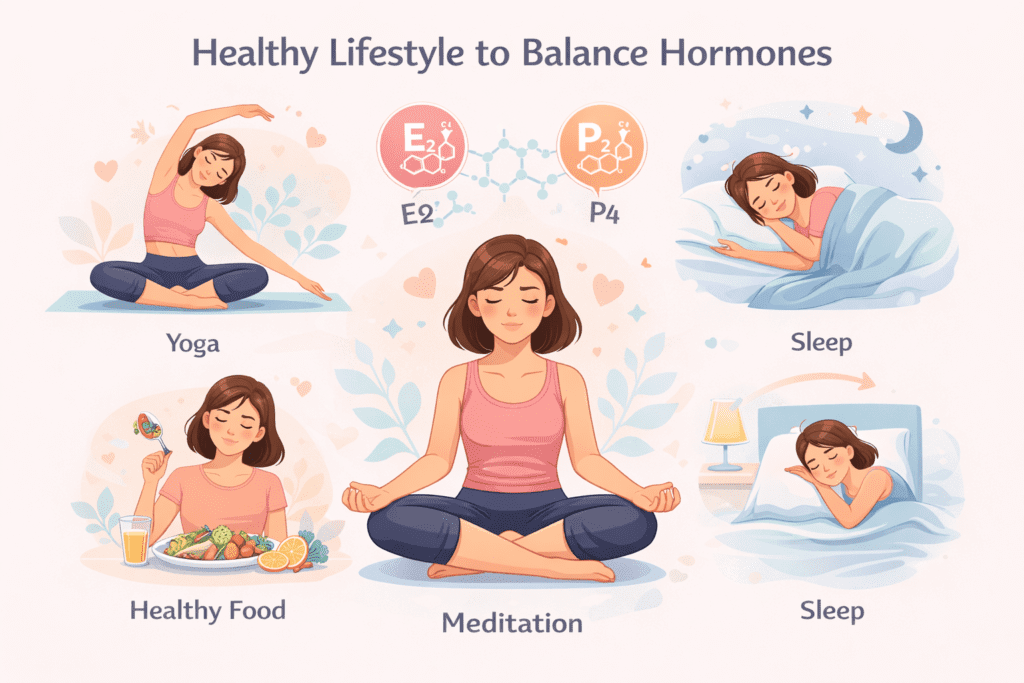
Lifestyle Habits to Balance Stress and Women’s Hormones
Managing stress is one of the most effective ways to restore hormonal health.
1. Prioritize Quality Sleep
Sleep regulates cortisol and reproductive hormones.
Healthy sleep habits include:
- 7–8 hours of sleep
- Avoiding screens before bed
- Maintaining consistent sleep timing
2. Exercise Regularly
Moderate exercise reduces cortisol and improves hormone balance.
Recommended activities include:
- Walking
- Yoga
- Strength training
- Cycling
However, excessive exercise can increase stress hormones.
3. Eat Hormone-Friendly Foods
Nutrition plays a crucial role in managing Stress and Women’s Hormones.
Important nutrients include:
- Omega-3 fatty acids
- Magnesium
- Vitamin B complex
- Protein-rich foods
Healthy foods to include:
- Nuts and seeds
- Green leafy vegetables
- Whole grains
- Fatty fish
4. Practice Stress Management Techniques
Effective stress-reducing practices include:
- Meditation
- Deep breathing exercises
- Journaling
- Spending time in nature
Even 10–15 minutes daily can reduce cortisol levels.
5. Maintain Strong Social Connections
Emotional support plays a major role in hormonal health.
Positive relationships help:
- Reduce anxiety
- Improve emotional resilience
- Lower stress hormone levels
Supportive environments improve overall well-being.
When to Seek Medical Advice
If symptoms persist, consulting a healthcare professional is important.
Medical evaluation may include:
- Hormone blood tests
- Thyroid function tests
- Cortisol testing
Early intervention can prevent complications related to Stress and Women’s Hormones imbalance.
Women experiencing severe symptoms like irregular periods, infertility, or persistent fatigue should seek professional guidance.
The relationship between Stress and Women’s Hormones is powerful and complex. Chronic stress disrupts hormone production and can affect menstruation, fertility, mood, and metabolism.
By understanding how stress impacts hormonal balance, women can take proactive steps to protect their health. Lifestyle changes such as better sleep, proper nutrition, exercise, and stress-management techniques can significantly improve hormonal well-being.
Prioritizing mental health is not just beneficial for emotional wellness—it is essential for maintaining balanced hormones and long-term health.
Also Read: Financial Anxiety: 9 Powerful Ways to Overcome Money Stress and Feel Secure
FAQs
1. How does Stress and Women’s Hormones imbalance affect menstrual cycles?
Stress increases cortisol levels, which can interfere with estrogen and progesterone balance. This may cause irregular periods, delayed ovulation, or missed cycles.
2. Can Stress and Women’s Hormones imbalance cause infertility?
Yes, chronic stress can disrupt ovulation and reduce fertility by altering reproductive hormone levels.
3. What hormone increases during stress in women?
Cortisol is the main stress hormone. High cortisol levels can disrupt other hormones like estrogen and progesterone.
4. How can women naturally balance Stress and Women’s Hormones?
Healthy lifestyle habits such as regular exercise, good sleep, balanced nutrition, and meditation help restore hormonal balance.
5. Can stress cause hormonal acne in women?
Yes, increased cortisol from stress can stimulate oil glands, leading to acne and skin inflammation.