
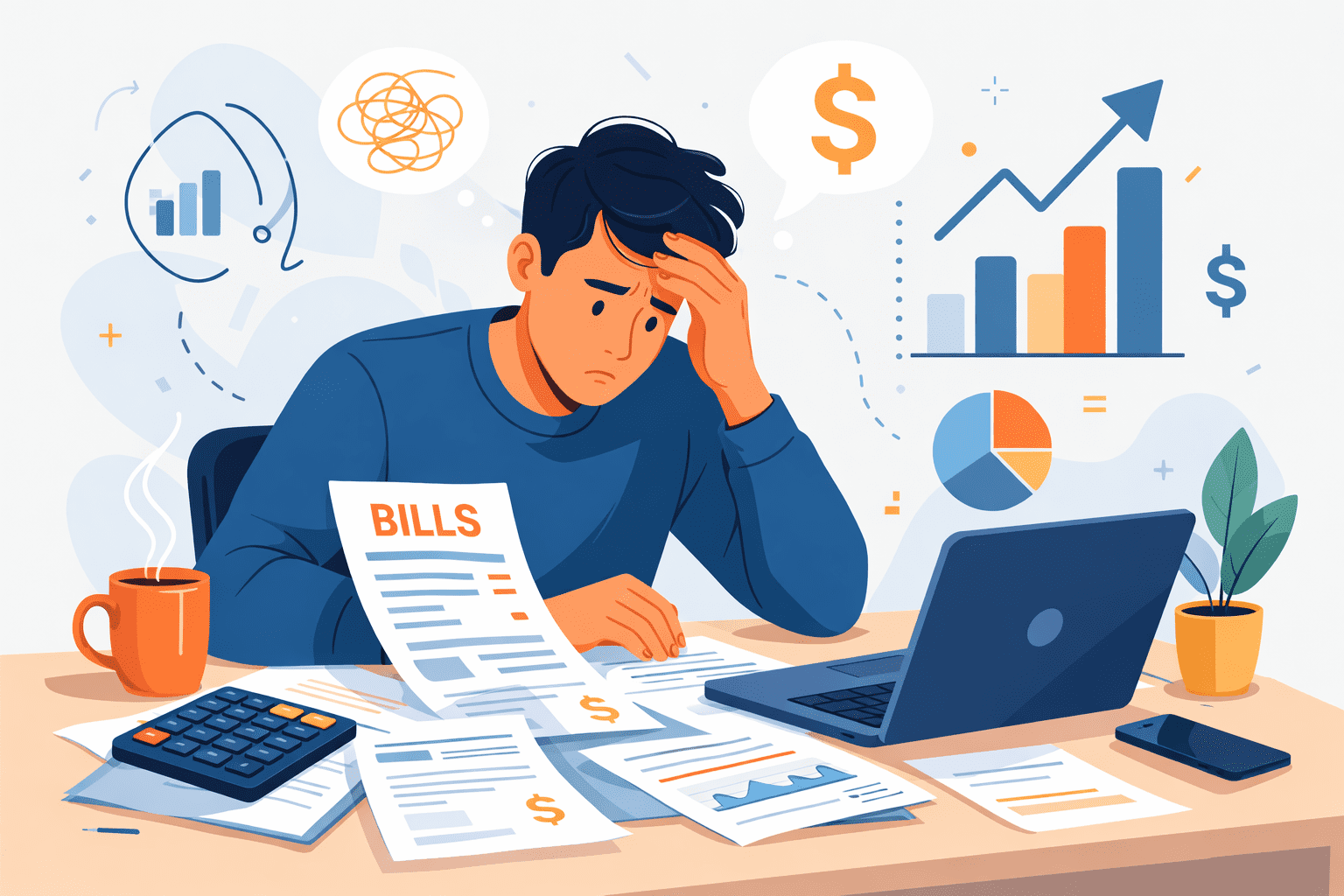
Financial anxiety is a growing problem in modern life. Many people constantly worry about money, bills, savings, or unexpected expenses. Whether it’s rising living costs, debt, or job uncertainty, financial stress can affect both mental and physical health.
Financial anxiety doesn’t only affect people with low income. Even individuals with stable salaries or successful businesses sometimes struggle with money-related stress. The good news is that with the right strategies and mindset, you can reduce anxiety and regain control over your financial life.
In this article, we will explore what anxiety is, its causes, symptoms, and 9 powerful ways to cope with anxiety effectively.
What is Financial Anxiety?
Financial anxiety refers to the constant worry, fear, or stress related to money matters. It can include concerns about:
- Paying bills
- Managing debt
- Job security
- Saving for the future
- Unexpected expenses
People experiencing anxiety often feel overwhelmed by financial decisions or uncertain about their financial stability.
According to the American Psychological Association, money is one of the top causes of stress worldwide. You can learn more about stress research here:
https://www.apa.org/news/press/releases/stress
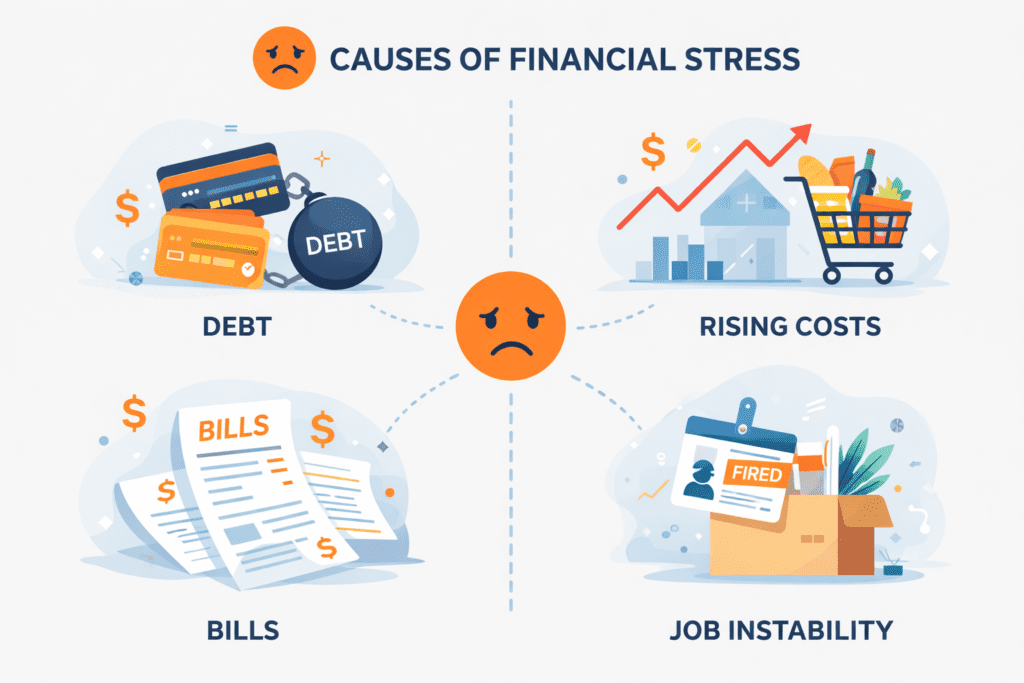
Common Causes of Financial Anxiety
Financial anxiety can develop due to multiple reasons. Understanding the cause can help you manage it better.
1. Debt Burden
Credit card debt, loans, or unpaid bills can trigger anxiety. High interest rates and payment deadlines add pressure.
2. Lack of Financial Planning
When people don’t track their income and expenses, it becomes difficult to manage money properly.
3. Income Instability
Freelancers, entrepreneurs, and gig workers may experience anxiety due to unpredictable income.
4. Rising Living Costs
Increasing prices of housing, healthcare, and education contribute to financial stress.
5. Financial Illiteracy
Many people never learn personal finance skills such as budgeting, saving, or investing.
For practical financial literacy resources, visit:
https://www.investopedia.com/personal-finance-4427760
Signs and Symptoms of Financial Anxiety
Financial anxiety can affect both mental and physical health.
Common signs include:
- Constant worry about money
- Difficulty sleeping
- Irritability and mood swings
- Avoiding bank statements or bills
- Panic when thinking about finances
- Feeling overwhelmed about financial decisions
Recognizing these symptoms early can help you take action.
9 Powerful Ways to Cope with Financial Anxiety
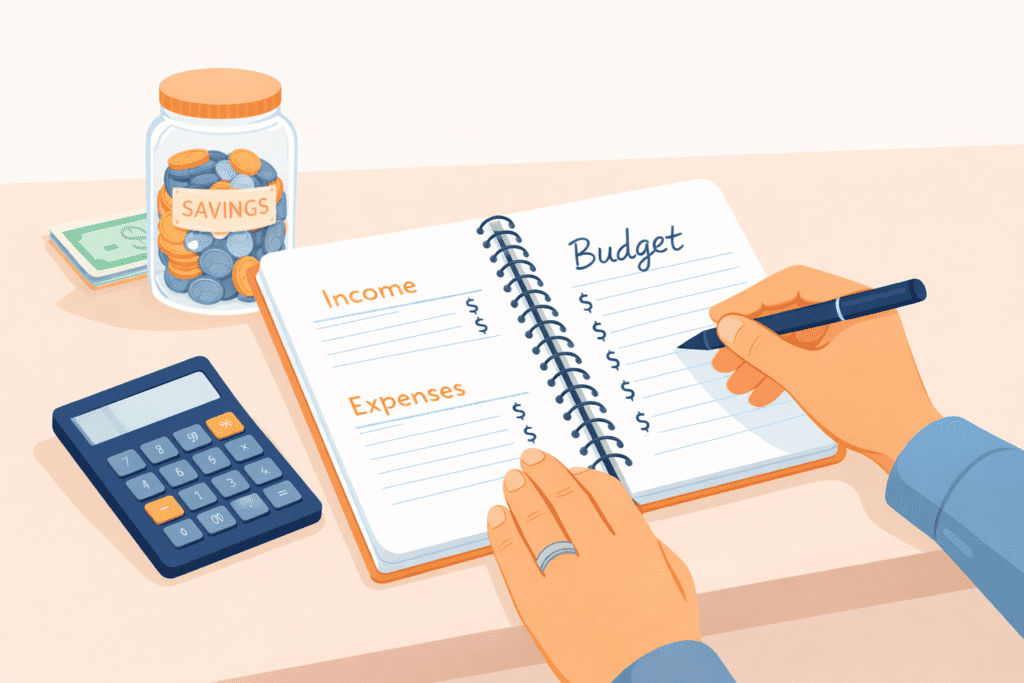
1. Create a Realistic Budget
Budgeting is one of the most effective ways to control anxiety.
A simple budget helps you:
- Track income and expenses
- Identify unnecessary spending
- Allocate money for savings
Apps like Mint or YNAB can help manage finances efficiently.
2. Build an Emergency Fund
Unexpected expenses often trigger anxiety.
Financial experts recommend saving 3–6 months of living expenses in an emergency fund. This safety net reduces financial fear.
3. Break Financial Goals into Small Steps
Large financial goals can feel overwhelming.
Instead of thinking about huge targets like buying a house or saving ₹10 lakh, start with smaller goals such as:
- Saving ₹5,000 per month
- Paying off one credit card
- Creating a small investment plan
Small wins reduce anxiety.
4. Educate Yourself About Personal Finance
Knowledge reduces fear.
Learning about budgeting, investing, and money management helps you feel more confident.
Trusted financial education websites include:
Understanding money better can significantly reduce anxiety.
5. Limit Financial Comparisons
Social media often increases anxiety because people compare lifestyles.
Remember that many online displays of wealth are not realistic. Focus on your own financial journey.
6. Talk About Money Stress
Financial anxiety becomes worse when you deal with it alone.
Discuss your concerns with:
- Family members
- Financial advisors
- Trusted friends
Sharing financial worries can help you gain new perspectives.
7. Reduce Unnecessary Expenses
Cutting unnecessary spending can relieve financial pressure.
Examples include:
- Cancel unused subscriptions
- Cook more meals at home
- Avoid impulse purchases
Small changes can significantly improve financial stability.
8. Focus on Increasing Income
Sometimes the best solution for anxiety is increasing income.
You can explore:
- Freelancing
- Side businesses
- Skill development
- Part-time work
Additional income streams provide financial security.
9. Practice Stress Management Techniques
Financial anxiety also affects mental health.
Helpful techniques include:
- Meditation
- Exercise
- Journaling
- Mindfulness practices
Managing stress improves decision-making and financial clarity.
Long-Term Strategies to Prevent Financial Anxiety
To prevent anxiety in the future, consider these long-term habits:
- Invest regularly
- Maintain insurance coverage
- Track financial progress monthly
- Diversify income sources
- Avoid unnecessary debt
Developing healthy financial habits builds long-term confidence and stability.
Financial anxiety is a common challenge in today’s fast-paced world, but it is manageable with the right strategies. Understanding your finances, creating a budget, building savings, and improving financial literacy can significantly reduce money-related stress.
Remember that financial stability is a journey, not a race. Small consistent actions can gradually eliminate anxiety and help you build a secure financial future.
By taking control of your finances and focusing on practical solutions, you can transform anxiety into financial confidence.
Also Read: Stress and Women’s Hormones: 9 Powerful Facts Every Woman Must Know for Better Health
FAQs
1. What is financial anxiety?
Financial anxiety is the stress or fear related to money issues such as debt, expenses, or financial uncertainty.
2. How do I reduce financial anxiety quickly?
You can reduce financial anxiety by creating a budget, building an emergency fund, and discussing financial concerns with trusted people.
3. Can financial anxiety affect mental health?
Yes. Financial anxiety can lead to insomnia, depression, irritability, and chronic stress if not addressed.
4. Is financial anxiety common?
Yes. Studies show that money is one of the biggest causes of stress globally.
5. How can financial planning help reduce financial anxiety?
Financial planning provides clarity about income, expenses, and savings, which helps reduce uncertainty and financial anxiety.