

Holy Basil and Heart Health have become an increasingly popular topic in natural wellness discussions. Known as Tulsi in India, Holy Basil has been used in Ayurvedic medicine for thousands of years. This sacred herb is not only valued for its spiritual significance but also for its impressive medicinal properties.
Modern research suggests that Holy Basil and Heart Health are closely connected. The herb contains powerful antioxidants, anti-inflammatory compounds, and adaptogens that help support cardiovascular wellness.
In today’s world, heart disease is one of the leading health concerns. Including natural remedies like Holy Basil in your daily routine may help improve heart function, reduce stress, and support healthy cholesterol levels.
In this article, we’ll explore the science-backed benefits of Holy Basil and Heart Health, how it works, and the best ways to include it in your lifestyle.
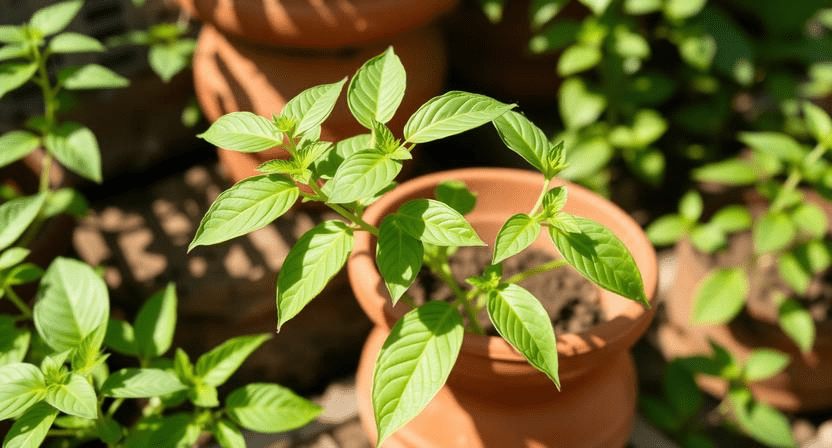
What is Holy Basil (Tulsi)?
Holy Basil (Ocimum sanctum or Ocimum tenuiflorum) is a medicinal herb widely used in Ayurveda. It is considered a powerful adaptogen that helps the body cope with physical and emotional stress.
Tulsi leaves contain bioactive compounds such as:
- Eugenol
- Ursolic acid
- Rosmarinic acid
- Flavonoids
- Essential oils
These compounds contribute to the strong link between Holy Basil and Heart Health by protecting the cardiovascular system from oxidative stress and inflammation.
For more scientific details about Tulsi, visit
https://www.ncbi.nlm.nih.gov/pmc/articles/PMC4296439/
How Holy Basil and Heart Health Are Connected
The relationship between Holy Basil and Heart Health lies in the herb’s ability to improve several cardiovascular risk factors.
Research suggests that Holy Basil may help:
- Lower LDL (bad cholesterol)
- Reduce blood pressure
- Improve blood circulation
- Reduce inflammation
- Protect blood vessels from damage
Because of these effects, regular consumption of Holy Basil may support long-term cardiovascular wellness.
1. Holy Basil Helps Reduce Cholesterol
One of the most important benefits of Holy Basil and Heart Health is its ability to support healthy cholesterol levels.
Studies suggest that Holy Basil may help:
- Lower LDL cholesterol
- Reduce triglycerides
- Improve HDL (good cholesterol)
This happens because Tulsi contains eugenol and antioxidants that help regulate lipid metabolism.
High cholesterol is a major risk factor for heart disease, so maintaining balanced cholesterol levels is essential for a healthy heart.
2. Holy Basil Supports Healthy Blood Pressure
High blood pressure can strain the heart and increase the risk of heart attacks and strokes.
One of the key advantages of Holy Basil and Heart Health is its potential to support healthy blood pressure levels.
Holy Basil contains eugenol, which acts as a natural calcium channel blocker. This may help relax blood vessels and improve blood flow.
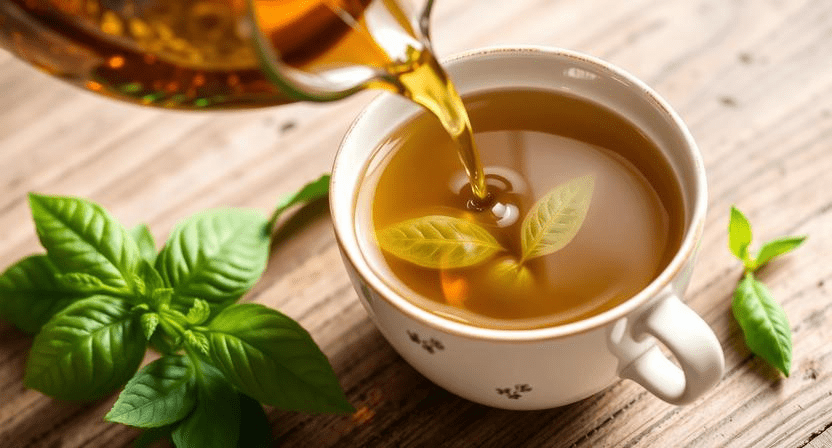
Regular consumption of Tulsi tea may contribute to better cardiovascular function.
You can read more about heart health from the American Heart Association:
https://www.heart.org
3. Powerful Antioxidants Protect the Heart
Oxidative stress damages blood vessels and contributes to cardiovascular disease.
The strong antioxidant content is one of the main reasons Holy Basil and Heart Health are closely linked.
Holy Basil contains:
- Flavonoids
- Polyphenols
- Vitamin C
- Essential oils
These compounds help neutralize harmful free radicals and protect the heart and blood vessels.
4. Holy Basil Reduces Inflammation
Chronic inflammation is another major cause of heart disease.
Research indicates that Holy Basil and Heart Health benefit from Tulsi’s anti-inflammatory properties.
The herb helps reduce inflammatory markers in the body, which may lower the risk of:
- Atherosclerosis
- Artery blockage
- Heart attacks
By reducing inflammation, Holy Basil helps keep blood vessels healthy and flexible.
5. Stress Reduction Supports Heart Health
Stress plays a major role in cardiovascular disease.
One unique aspect of Holy Basil and Heart Health is Tulsi’s ability to act as an adaptogen. Adaptogens help the body manage stress more effectively.
Holy Basil may help:
- Reduce cortisol levels
- Improve mood
- Support mental clarity
- Lower stress-related blood pressure
Less stress means less strain on the heart.
6. Improves Blood Circulation
Healthy circulation ensures that oxygen and nutrients reach every part of the body.
Another benefit of Holy Basil and Heart Health is improved blood flow.
Tulsi may help:
- Relax blood vessels
- Improve oxygen delivery
- Prevent blood clot formation
Better circulation helps maintain optimal cardiovascular performance.
7. Helps Control Blood Sugar
Blood sugar levels are closely linked with heart health.
People with diabetes have a higher risk of heart disease. One important advantage of Holy Basil and Heart Health is its potential to support healthy glucose levels.
Studies suggest Tulsi may:
- Improve insulin sensitivity
- Reduce fasting blood sugar
- Support metabolic health
Better blood sugar control means lower cardiovascular risk.
Best Ways to Use Holy Basil for Heart Health
If you want to take advantage of Holy Basil and Heart Health benefits, there are several easy ways to include Tulsi in your daily routine.
1. Tulsi Tea
Tulsi tea is one of the most popular methods.
Steps:
- Boil water
- Add fresh or dried Tulsi leaves
- Steep for 5–10 minutes
- Drink once or twice daily
2. Fresh Tulsi Leaves
Many people in India chew 4–5 Tulsi leaves every morning for general wellness.
3. Tulsi Supplements
Tulsi is also available as:
- Capsules
- Extracts
- Herbal powders
Always consult a healthcare professional before starting supplements.
Are There Any Side Effects?
Although Holy Basil and Heart Health benefits are impressive, moderation is important.
Possible side effects include:
- Lower blood sugar
- Blood thinning effects
- Interactions with certain medications
Pregnant women and people taking blood thinners should consult a doctor before using Tulsi regularly.
The connection between Holy Basil and Heart Health highlights the incredible power of traditional herbal medicine. This ancient Ayurvedic herb offers multiple cardiovascular benefits, including lowering cholesterol, supporting blood pressure, reducing stress, and protecting blood vessels.
Adding Tulsi tea or fresh leaves to your daily routine is a simple and natural way to support heart wellness.
While Holy Basil and Heart Health research continues to grow, the existing evidence strongly suggests that this sacred herb can be a valuable addition to a heart-healthy lifestyle.
When combined with balanced nutrition, regular exercise, and stress management, Holy Basil may help keep your heart strong for years to come.
Also Read: Probiotics and Skin Health: 9 Powerful Anti-Aging Benefits You Shouldn’t Ignore
FAQs
1. How does Holy Basil and Heart Health relate to each other?
Holy Basil supports heart health by lowering cholesterol, reducing inflammation, improving blood circulation, and helping regulate blood pressure.
2. Can Holy Basil lower blood pressure?
Yes, Holy Basil contains eugenol, which may help relax blood vessels and support healthy blood pressure levels.
3. Is Tulsi tea good for heart health?
Tulsi tea is widely consumed for its antioxidant and anti-inflammatory properties, which support cardiovascular health.
4. How many Tulsi leaves should be consumed daily?
Most people consume 3–5 fresh Tulsi leaves daily or drink one to two cups of Tulsi tea.
5. Are there any risks of using Holy Basil daily?
In moderate amounts, Holy Basil is generally safe. However, people on blood thinners or diabetes medications should consult a doctor.