

Phone Addiction is becoming one of the most serious digital-age problems affecting people worldwide. With smartphones always within reach, many individuals spend hours scrolling through social media, watching videos, or constantly checking notifications.
While smartphones make life convenient, excessive use can significantly impact brain function, mental health, productivity, and sleep patterns. Researchers have increasingly linked addiction with changes in attention span, memory, emotional stability, and even brain structure.
In this article, we’ll explore the real effects of addiction on the brain and practical ways to reduce its harmful impact.
What Is Phone Addiction?
Addiction refers to the compulsive and excessive use of smartphones, often accompanied by an inability to control screen time despite negative consequences.
Unlike casual phone use, addiction creates a dependency where the brain begins to crave constant stimulation from notifications, messages, or social media updates.
Common signs include:
- Checking the phone every few minutes
- Feeling anxious when the phone is not nearby
- Losing track of time while scrolling
- Ignoring real-life interactions
According to research from Harvard Medical School, digital devices can stimulate dopamine pathways similar to addictive behaviors.
Source: https://www.health.harvard.edu
How Phone Addiction Affects the Brain
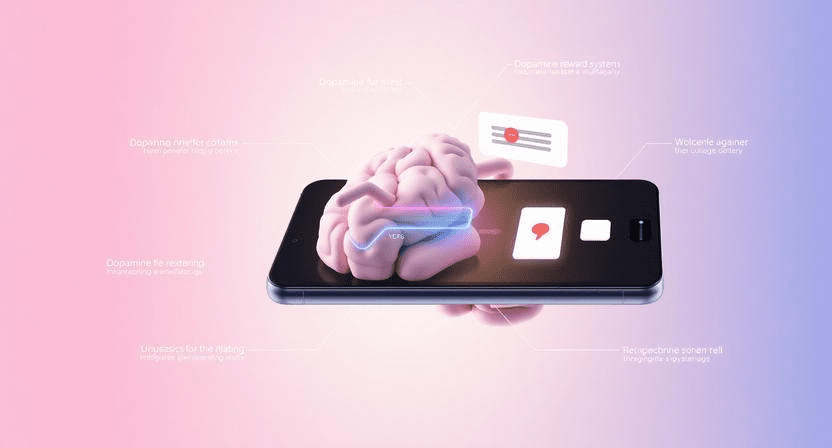
1. Dopamine Overload
One of the biggest neurological effects of phone addiction is dopamine overstimulation.
Every notification, like, or message triggers a small dopamine release in the brain. Over time, this reward system becomes dependent on constant stimulation.
Effects include:
- Reduced motivation for offline activities
- Constant urge to check the phone
- Decreased satisfaction from normal tasks
This is similar to how other behavioral addictions affect the brain.
2. Reduced Attention Span
Another serious effect of addiction is a declining attention span.
Constant switching between apps, notifications, and content trains the brain to focus only for short bursts.
Consequences include:
- Difficulty concentrating on work or studies
- Reduced productivity
- Increased mental fatigue
A report from Stanford University found heavy media multitaskers struggle more with attention control.
Source: https://med.stanford.edu
Phone Addiction and Memory Problems
Research suggests addiction can negatively impact memory formation.
When the brain constantly receives information through quick scrolling, it processes data superficially instead of deeply.
This leads to:
- Poor information retention
- Reduced learning ability
- Increased forgetfulness
The brain becomes conditioned to rely on external storage (like Google or apps) rather than internal memory.

Impact of Phone Addiction on Sleep
One of the most common consequences of addiction is poor sleep quality.
Smartphone screens emit blue light that interferes with melatonin production — the hormone responsible for regulating sleep cycles.
Results may include:
- Difficulty falling asleep
- Interrupted sleep patterns
- Daytime fatigue
- Reduced brain recovery
The Sleep Foundation confirms that screen exposure before bedtime significantly affects sleep quality.
Source: https://www.sleepfoundation.org
Emotional Effects of Phone Addiction
Phone addiction also influences emotional regulation and mental health.
Heavy phone use is associated with:
- Increased anxiety
- Depression
- Social comparison stress
- Reduced real-life social interaction
Social media platforms often create unrealistic standards that trigger negative emotions and lower self-esteem.
Over time, the brain becomes conditioned to seek validation through digital interactions.
Structural Changes in the Brain
Recent studies suggest long-term addiction may even cause structural changes in the brain.
Researchers have found changes in areas responsible for:
- Impulse control
- Emotional regulation
- Decision making
These brain regions function similarly to patterns observed in behavioral addictions like gaming addiction.
Although more research is ongoing, the evidence is growing.
How to Reduce Phone Addiction
Breaking addiction requires conscious effort and lifestyle changes.
Here are practical strategies that work:
1. Set Daily Screen Time Limits
Most smartphones provide screen-time tracking tools to monitor usage.
2. Turn Off Non-Essential Notifications
Reducing alerts decreases the urge to check the phone constantly.
3. Create Phone-Free Zones
Avoid phones in places like:
- Bedroom
- Dining table
- Work desk during focus time
4. Follow the 20-20-20 Rule
Every 20 minutes, look away from screens for 20 seconds at something 20 feet away.
5. Replace Screen Time with Offline Activities
Healthy alternatives include:
- Reading books
- Physical exercise
- Spending time outdoors
- Face-to-face conversations
Small changes can significantly reduce addiction over time.
Final Thoughts
Phone addiction is more than just spending too much time on your smartphone — it can actually influence how your brain works.
From reduced attention span and memory issues to sleep disruption and emotional stress, the neurological impact is real. However, by becoming aware of your screen habits and implementing healthy digital boundaries, you can protect your brain and maintain a healthier relationship with technology.
The key is balance. Smartphones should enhance life — not control it.
Also Read: Environmental Toxins and Insulin Resistance: 9 Powerful Facts You Must Know to Protect Your Health
FAQs
1. What is phone addiction?
Phone addiction is a behavioral dependency where a person feels compelled to use their smartphone excessively, often affecting mental health, productivity, and sleep.
2. How does phone addiction affect the brain?
Phone addiction overstimulates dopamine pathways, reduces attention span, weakens memory processing, and may affect impulse control areas in the brain.
3. Can phone addiction cause anxiety?
Yes. Studies link phone addiction with increased anxiety, social comparison stress, and emotional instability due to constant digital stimulation.
4. How many hours of phone use is considered addiction?
Using a phone for more than 5–6 hours daily, especially for non-essential activities, may indicate phone addiction.
5. How can I reduce phone addiction?
You can reduce phone addiction by setting screen-time limits, turning off notifications, creating phone-free zones, and engaging in offline activities.